


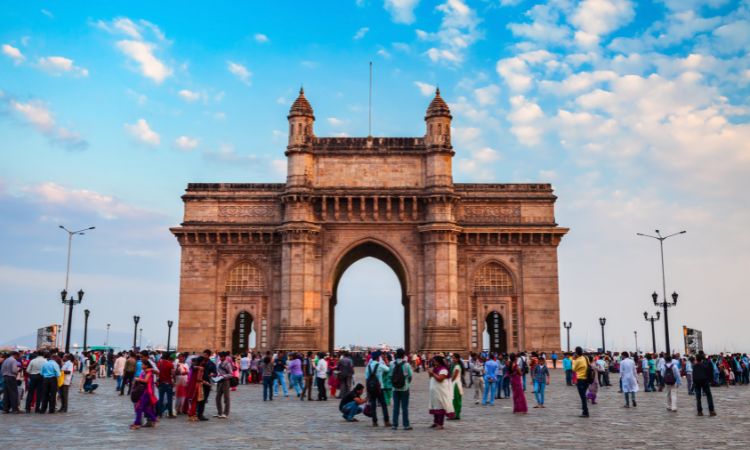
India’s cityscape is incredibly diverse, vibrant, and constantly transforming. From megacities that never sleep to metropolitan regions expanding at record speed, the biggest Cities in the country carry major economic, cultural, and demographic significance.
In this article, we explore what truly defines a “big” city – whether by population, land area, Population, economic strength, or overall impact. You’ll also find the Top 10 Biggest Cities in India in 2026, detailed comparisons, and a comprehensive List of major Cities in India ranked through various criteria.
Biggest Cities in India by Population
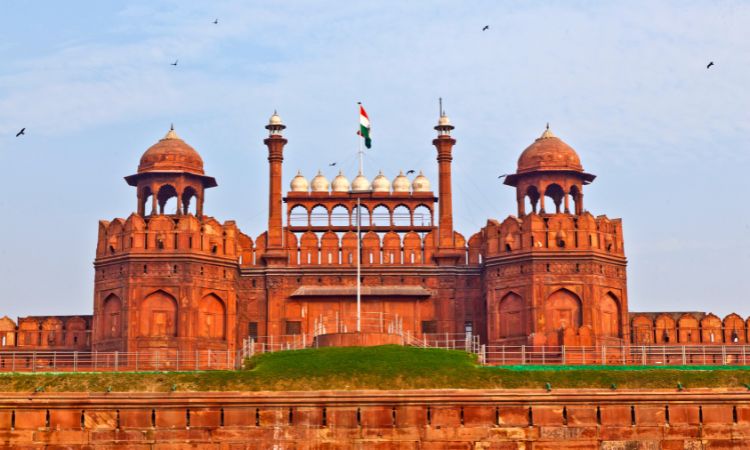
Here is the list of India’s largest cities by population in 2026:
| Rank | City | Population |
| 1. | Delhi | 3.7 Crore |
| 2. | Mumbai | 2.21 Crore |
| 3. | Kolkata | 1.58 Crore |
| 4. | Bengaluru | 1.44 Crore |
| 5. | Chennai | 1.23 Crore |
| 6. | Hyderabad | 1.13 Crore |
| 7. | Ahmedabad | 90.62 Lakh |
| 8. | Surat | 85.82 Lakh |
| 9. | Pune | 75.26 Lakh |
| 10. | Gurgaon | 13.18 Lakh |
Delhi is currently the most populous city/urban region in India, while Mumbai continues to be India’s most Densely populated city with an estimated 2.20 crore residents in 2025.
Delhi stands out as India’s most populous urban region, driven by its role as the national capital and a major hub for governance, commerce, education, and migration. The city’s vast metropolitan spread, combined with continuous infrastructure expansion across Delhi-NCR, has contributed to its rapid population growth over the years.
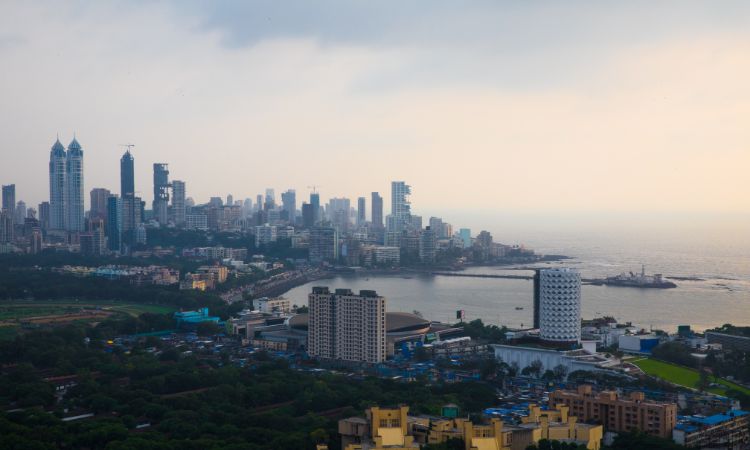
Mumbai, on the other hand, remains India’s most densely populated city despite having a smaller total population than Delhi. As the country’s financial capital, Mumbai attracts millions for employment in finance, entertainment, trade, and services.
Limited land availability, an island geography, and high real-estate demand have resulted in extremely high population density, with millions living in compact residential areas.
Among cities with comparatively lower populations in the top-10 list, Pune and Gurgaon present a different picture. Pune has grown steadily as an education and IT hub, offering a balanced lifestyle with expanding infrastructure and a relatively lower density than megacities like Delhi and Mumbai.
Gurgaon, despite being one of the least populated in the list, plays a crucial role in the Delhi-NCR region as a corporate and startup hub, known for modern office spaces, planned sectors, and rapid urban development rather than only population size.
Also Read – TOP 10 Biggest Malls in India
Biggest Cities in India in 2026 by Area
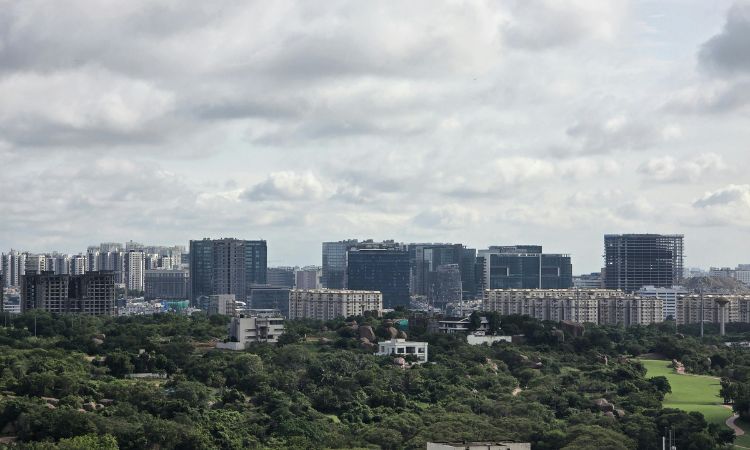
Here is the list of India’s largest cities by area in 2026:
| S.no | City | State | Area (Km2) |
| 1 | Hyderabad | Telangana | 2053 |
| 2 | Delhi | Delhi | 1484 |
| 3 | Ayodhya | UP | 872.81 |
| 4 | Vishakhapatnam | Andra Pradesh | 681.96 |
| 5 | Lucknow | UP | 631 |
| 6 | Indore | Madhya Pradesh | 530 |
| 7 | Pune | Maharashtra | 526 |
| 8 | Ahmedabad | Gujarat | 505 |
| 9 | Jaipur | Rajasthan | 484.64 |
| 10 | Bhopal | Madhya Pradesh | 463 |
Currently, the biggest city in India by area is Hyderabad. This city is spread across 2025 km2, covering a massive geographical area. Hyderabad has expanded significantly due to IT growth, new residential townships, and infrastructure development.
Delhi is the second largest city in India by area, which is spread across 1484 sq. km. Delhi includes urban, semi-urban, and even rural pockets within its boundaries.
Similarly, Lucknow, Indore, Pune, Ahmedabad, Jaipur, and Bhopal are also among the biggest cities in India by area.
Also Read – TOP 10 Best City to Live in India
Biggest Cities in India by GDP
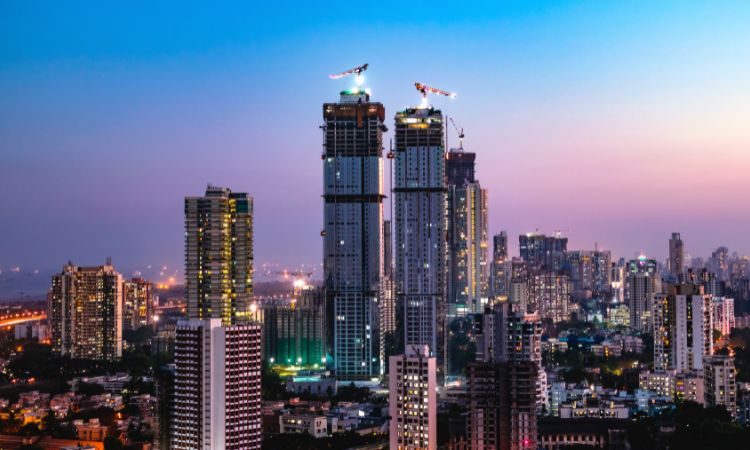
Here is the list of biggest cities in India GDP in 2026:
| S.no | City | State | GDP |
| 1. | Mumbai | Maharashtra | $310 billion USD |
| 2. | Delhi | Delhi | $293 billion USD |
| 3. | Bengaluru | Karnataka | $110 billion USD |
| 4. | Kolkata | West Bengal | $160 billion USD |
| 5. | Chennai | Tamil Nadu | $78 billion USD |
| 6. | Hyderabad | Telangana | $75 billion USD |
| 7. | Pune | Maharashtra | $69 billion USD |
| 8. | Ahmedabad | Gujarat | $68 billion USD |
| 9. | Surat | Gujarat | $60 billion USD |
| 10. | Gurgaon | Haryana | $55 billion USD |
Mumbai also stands as the Biggest Cities in India by GDP in 2026, contributing over $310+ billion to the Indian economy.
From India’s stock exchanges to key corporate headquarters, global banks, Bollywood, and one of the busiest ports, Mumbai remains India’s irreplaceable economic powerhouse.
The city’s GDP dominance arises not only from finance and entertainment, but also from trade, shipping, manufacturing, and global commerce. Mumbai hosts the headquarters of India’s biggest business groups and multinational companies, making it the decision-making capital of the country.
The presence of the Bombay Stock Exchange (BSE) and National Stock Exchange (NSE) strengthens its role as India’s financial nerve centre.
Beyond Mumbai, several other major cities play a crucial role in shaping India’s urban economy and together form the backbone of the country’s GDP growth.
Delhi, often searched as Delhi GDP or capital city economy, ranks among the top cities in India by GDP due to its strong presence in government services, real estate, trade, startups, and corporate headquarters.
Bengaluru, widely known as the IT capital of India, contributes significantly through software exports, tech startups, and global IT companies, making it one of the richest cities in India and a key driver of the digital economy.
Kolkata continues to support eastern India with its strengths in manufacturing, ports, trade, and services, while Chennai, a major automobile and industrial hub, boosts India’s economy through manufacturing, exports, IT services, and healthcare.
Rapidly growing cities like Hyderabad and Pune have emerged as powerful economic centers due to IT parks, pharma industries, education hubs, and startup ecosystems, frequently searched as fastest growing cities in India.
Meanwhile, Ahmedabad, Surat, and Gurgaon add momentum through textiles, diamonds, finance, corporate offices, and real estate development.
Together, these largest cities in India by GDP, top metropolitan cities, and biggest economic hubs in India highlight how growth is no longer limited to one city but driven collectively by multiple urban powerhouses across the country.
Why is it important to understand the Biggest Cities in India?
Whether you’re an investor, student, traveller, or someone tracking developments, knowing about the Biggest City in India 2025 offers insights into:
- Economic growth hotspots
- Real estate demand and expansion
- Infrastructure development
- Employment opportunities
- Urban migration patterns
- Businesses Market potential
These cities are shaping India’s future by attracting capital, talent, and innovation consistently.
Conclusion
When we say the biggest cities in India, the “biggest” can mean by area, population, and GDP.
In India, some cities are large in terms of area, covering thousands of square kilometres. Some cities are the largest in terms of GDP, contributing significantly to India’s total GDP. At the same time, some cities have large populations reflecting rapid urban migration and growth opportunities.
Mumbai leads the list of India’s largest cities by GDP, while Hyderabad is the largest city in India by area, and Delhi leads the list by population.
In simple terms, the biggest cities are not just about size; they represent opportunity, development, and the future of urban India.
Read On – TOP 10 Posh Areas in Mumbai
FAQs
1. Is Mumbai the biggest city in India?
Mumbai is not the biggest city by population or area, but it is the biggest city in India by GDP and remains the country’s financial capital and most densely populated major city.
2. Which city is the largest in India by area?
Hyderabad is the largest city in India by area, covering approximately 2053 sq. km, followed closely by Delhi.
3. Why is Delhi more populous than Mumbai?
Delhi’s population is higher due to its vast metropolitan spread, inclusion of NCR regions, lower population density compared to Mumbai, and continuous migration for government jobs, education, and business opportunities.
4. Which is the fastest-growing city in India?
Cities like Hyderabad, Pune, Surat, and Ahmedabad are considered among the fastest-growing cities in India due to rapid infrastructure development, IT growth, manufacturing expansion, and business-friendly policies.
5. Which city is the financial capital of India?
Mumbai is the financial capital of India, home to the Bombay Stock Exchange (BSE), National Stock Exchange (NSE), major banks, financial institutions, and corporate headquarters.
6. Which Indian city is best for jobs and career growth?
Mumbai, Bengaluru, Delhi NCR, Hyderabad, and Pune are considered the best cities in India for jobs, offering strong opportunities in IT, finance, startups, manufacturing, and corporate sectors.
7. Which Indian cities will dominate in the future?
Along with traditional metros like Mumbai and Delhi, cities such as Hyderabad, Pune, Surat, Ahmedabad, and Gurugram are expected to dominate India’s urban and economic future due to smart infrastructure and rapid expansion.