News Elementor

Contact Us

Lorem Ipsum is simply dummy text of the printing and typesetting industry. Lorem Ipsum has been the industry’s standard dummy text ever since the 1500s, when an unknown printer took a galley of type and scrambled it to make a type specimen book. It has survived not only five centuries, but also the leap into electronic typesetting, remaining essentially unchanged.

[contact-form-7 id="8a0e7ba" title="Contact form 1"]

Editor's Picks

samagra portal mp

Samagra Portal MP – eKYC, Samagra ID, Login & More

If you live in Madhya Pradesh, there is one digital platform you absolutely cannot afford to ignore, and that is the Samagra Portal. In fact, thousands of eligible families miss out on government benefits every single year because they don’t know how this portal works or why their Samagra ID matters so much. Think of the Samagra Portal (samagra.gov.in) as your family’s all-access pass to the government. One ID, dozens of schemes, zero paperwork headaches. Just like your Aadhaar card is your identity for India, your Samagra ID is your identity for Madhya Pradesh. Lose one, and you lose access to the benefits that are rightfully yours. It was launched in 2010 by the Madhya Pradesh government under the Samagra Social Security Mission (SSSM). This portal was built with one mission: to make sure that every welfare scheme reaches the people it is meant for without corruption, delays, or middlemen. In this detailed article, we will learn what the Samagra Portal is, how to register, how to get your Samagra ID, complete your eKYC, and access the government schemes that your family deserves. Whether you are a student, a senior citizen, a widow, or a daily wage worker, this guide is for you. Why Was Samagra Portal Created? Before 2010, Madhya Pradesh had a serious problem. Various government departments were running their own welfare schemes, each with their own databases, their own forms, and their own verification processes. The result? Massive duplication, corruption, and genuine beneficiaries falling through the cracks. The Madhya Pradesh government decided to fix this by creating one unified system and it is Samagra Portal. Every family in the state gets a unique Family ID, and every individual gets a Member ID. All government schemes are then linked to this single database, ensuring that the right benefit reaches the right person. What Does Samagra Stand For? Samagra is a Hindi word meaning ‘complete’ or ‘all-encompassing.’ The full name of the mission is the Mukhya Mantri Samajik Suraksha Mission (MSSM) it is also known as the Samagra Samajik Suraksha Mission (SSSM). The word perfectly captures the spirit of what this portal tries to do offer a complete solution for social security in Madhya Pradesh. Who Manages the Samagra Portal? The Samagra Portal is developed and maintained by the Madhya Pradesh State Electronics Development Corporation (MPSEDC). The portal has recently been upgraded to a new server infrastructure (SDC 2.0) to improve speed, efficiency, and service delivery for millions of residents. What is a Samagra ID? Samagra ID is a unique identification number assigned to every family and individual in Madhya Pradesh. In simple words, it works like a digital ID that helps the government keep records of citizens and provide benefits easily. Types of Samagra ID There are two types of Samagra ID: one is Family Samagra ID and the other is Member Samagra ID. 1. Family Samagra ID (8 Digits) Family Samagra ID is an 8-digit code given to the entire family unit. Think of it as your household’s digital address in the government’s records. Every family registered on the portal gets one. 2. Member Samagra ID (9 Digits) Member Samagra ID is a 9-digit code assigned to each individual member within the family. Even if you are part of the same family, every person has their own unique member ID. This is the one most commonly used when applying for individual schemes like scholarships or pensions. Quick Tip: When someone asks for your ‘Samagra ID’ without specifying, they usually mean your Member Samagra ID (9 digits). Always keep both numbers saved on your phone. What Can You Do With a Samagra ID? Your Samagra ID is not just a number on a piece of paper. It unlocks access to a wide range of government services in MP: How to Register on the Samagra Portal? If your family is not yet registered on the Samagra Portal, here is how you can do it. The process can be completed online, and it’s simpler than most people think. How to Register for Samagra ID Online? Online applications are typically processed within 2–3 working days. Offline applications submitted at your local Gram Panchayat or Ward Office may take 7–10 days. How to Register for Samagra ID Offline? If you are not comfortable using the internet, you can still register by visiting: You must have to carry all original documents along with photocopies. The staff there will register your family in the system, and you will receive your Samagra ID within a week. What Documents Are Required for Samagra ID Registration? If you want to register on the Samagra Portal MP, then you need to provide some basic documents for identity and address verification. Samagra eKYC: Why It’s Non-Negotiable in 2026 Now that you have your Samagra ID, here comes the most critical step that most people overlook: completing your eKYC (electronic Know Your Customer verification). Here’s why this matters more than ever in 2026: Without a completed eKYC, your Samagra ID is essentially inactive for most schemes. It’s like having a bank account but not verifying it. You can have the account, but you can’t withdraw any money. The MP government ran a special Samagra eKYC campaign from April 1 to May 31, 2025, across all districts. If you missed it, don’t worry; you can still complete it online anytime. What is Samagra eKYC? Samagra eKYC is the process of linking your Samagra ID with your Aadhaar card. This Aadhaar-based verification confirms that you are who you say you are. It ensures that government benefits like pensions, scholarships, ration etc. will go directly to the right person’s bank account through DBT (Direct Benefit Transfer). How to Complete Samagra eKYC Online? Here are step-by-step guide to complete Samagra Ekyc Online: The entire process takes less than 5 minutes if your mobile number is linked to your Aadhaar. If it’s not linked, visit your nearest Aadhaar enrollment center first. What are the Documents Required for Samagra eKYC? To complete eKYC on the...
top 10 biggest airports in India

Top 10 Biggest Airports in India in 2026 – India’s Largest Airports

India’s aviation sector is growing faster than ever. With rising domestic travel, international tourism, cargo movement, business trips, and new airport infrastructure, the country is now home to some of the largest and most advanced airports in Asia. If you are a traveller, investor, student, researcher, or aviation enthusiast, it is important to know which are the largest airports in India. It will give a clear picture of how India’s air connectivity is shaping the future. In 2026, the ranking of the biggest airports is not only about passenger traffic. Land area, terminal capacity, runway strength, expansion scope, cargo handling, connectivity, and future development also matter. In this detailed article, we will explore the top 10 largest airports in India by land area and by their infrastructure importance. So, let us start this blog. Top 10 Biggest Airports in India in 2026 Here is an updated list of India’s largest airports in 2026. Rank Airport Name Location Approx. Area 1 Noida International Airport Jewar, Uttar Pradesh Planned around 11,750 acres 2 Rajiv Gandhi International Airport Hyderabad, Telangana Around 5,495–5,500 acres 3 Indira Gandhi International Airport Delhi NCR Around 5,106 acres 4 Navi Mumbai International Airport Navi Mumbai, Maharashtra Around 2,866 acres 5 Manohar International Airport Mopa, Goa Around 2,132 acres 6 Chhatrapati Shivaji Maharaj International Airport Mumbai, Maharashtra Around 1,900 acres 7 Netaji Subhas Chandra Bose International Airport Kolkata, West Bengal Around 1,641 acres 8 Cochin International Airport Kochi, Kerala Around 1,300 acres 9 Chennai International Airport Chennai, Tamil Nadu Around 1,152–1,301 acres 10 Sardar Vallabhbhai Patel International Airport Ahmedabad, Gujarat Around 1,124 acres 1. Noida International Airport, Jewar Noida International Airport is the biggest airport in India by area. It is expected to expand to around 11,750 acres after full development. It is located in Jewar, Uttar Pradesh, and this is one of the most ambitious aviation projects in India. This airport is developed in different phases. Phase 1 has been developed with an initial passenger handling capacity of around 12 million passengers per annum, according to government information. Jewar Airport is strategically located near the Yamuna Expressway and is expected to serve Noida, Greater Noida, Delhi NCR, western Uttar Pradesh, and nearby industrial corridors. It will act as a major economic growth engine and a support for tourism, trade, and real estate. 2. Rajiv Gandhi International Airport, Hyderabad In terms of the current established airport, it is among the largest airports in India. It is located in Shamshabad, about 24 km from Hyderabad. This airport spans about 5,495–5,500 acres, making it one of the largest international airport in India by area. Hyderabad Airport is known for its modern planning, smooth operations, cargo facilities, and its potential for future expansion. Many old airports in India face land limitations, but Hyderabad Airport was developed as a greenfield airport with long-term growth in mind. It has strong connectivity to domestic and international destinations. It supports passenger travel, cargo operations, business aviation, and logistics. Hyderabad’s growth as an IT, pharma, education, and startup hub has also increased the importance of this airport. 3. Indira Gandhi International Airport, Delhi The 3rd name in the list of the biggest airports in India is Indira Gandhi International Airport. It is commonly known as Delhi Airport or IGI Airport. IGI is one of the most important airports in India. It spans approximately 5,106 acres at Palam, Delhi, and serves the entire National Capital Region. Delhi Airport is not only one of the biggest airports in India but also the busiest by passenger traffic. It handled around 79.25 million passengers in FY2024–25, according to available airport traffic data. The airport has multiple terminals, including Terminal 3, one of the most prominent in India. Delhi Airport’s passenger handling capacity has crossed the 100 million mark, with reports stating an annual capacity of around 109 million passengers after expansion. 4. Navi Mumbai International Airport After IGI Airport, Navi Mumbai International Airport is one of the largest airports in India. It is an important new aviation project. This airport is located in Ulwe, Navi Mumbai. It has been developed to reduce pressure on Mumbai’s existing Chhatrapati Shivaji Maharaj International Airport. This airport spans about 1,160 hectares (about 2,866 acres) and is designed to handle up to 90 million passengers per annum upon full development. This airport is important because Mumbai has long needed a second major airport. The existing Mumbai Airport is highly efficient, but land is limited. Navi Mumbai International Airport gives the Mumbai Metropolitan Region a new aviation growth corridor. 5. Manohar International Airport, Goa Manohar International Airport is also known as Mopa Airport. It is among the biggest airports in India in 2026. It is a new international airport in Goa. This airport is located in North Goa, and it was built to support the state’s rising tourism demand. It is spread across 2,132 acres and was designed to handle around 4.4 million passengers per annum in Phase 1, with future scalability up to 35 million passengers. Goa already had Dabolim Airport, but rising tourism and limited expansion space made a larger, modern airport necessary. Mopa Airport now serves as a major growth point for North Goa, Konkan tourism, hospitality, and aviation-linked businesses. 6. Chhatrapati Shivaji Maharaj International Airport, Mumbai Chhatrapati Shivaji Maharaj International Airport is the second-busiest airport in India. It spans about 1,900 acres and handled 55.12 million passengers in FY2024–25. Mumbai Airport is known for its premium Terminal 2, high passenger density, international connectivity, and strong cargo movement. This airport operates in a land-constrained urban environment yet remains one of the most efficient in India. Chhatrapati Shivaji Maharaj International Airport is among the largest airports in India and one of the most iconic in the country. It handles huge passenger volumes in a limited space, making it one of the most impressive airports in India. 7. Netaji Subhas Chandra Bose International Airport, Kolkata When we talk about the top 10 biggest airports in India, we cannot forget Netaji Subhas Chandra Bose International Airport....
delhi dehradun expressway

Delhi Dehradun Expressway – Route Map, Opening Date, Cost, Toll & More

If you have ever sat in bumper-to-bumper traffic crawling from Delhi toward the Himalayan foothills, you know the frustration. What should be a scenic drive to Dehradun often stretches to six or seven grueling hours. That era is now officially over. The Delhi Dehradun Expressway is officially known as the Delhi-Saharanpur-Dehradun Economic Corridor. It is a 210-kilometre access-controlled, six-lane highway developed by the National Highways Authority of India (NHAI) under the Bharatmala Pariyojana. It connects Akshardham Temple in Delhi directly to Dehradun, the winter capital of Uttarakhand, cutting travel time to just 2 to 2.5 hours. In this detailed blog, we will know more about the Delhi Dehradun Expressway, its Route Map, Toll, Opening Date, Cost and more. So, let us start this blog. Delhi Dehradun Expressway Quick Overview Detail Information Total Length 210 km (approximately 213 km including approach stretches) Start Point Akshardham Temple, East Delhi End Point Dehradun, Uttarakhand States Covered Delhi, Uttar Pradesh, Uttarakhand Number of Lanes 6 lanes (expandable to 8 lanes) Design Speed 100 km/h minimum Project Cost Approximately Rs. 11,868 to Rs. 13,000 crore Entry/Exit Points 16 across the full corridor Underpasses 113+ (VUP, LVUP, SVUP types) Railway Overbridges 5 Major Bridges 4 Bus Shelters 62 Service Roads 76 km running parallel to the expressway Elevated Road Sections Approximately 29 km Developed By NHAI under Bharatmala Pariyojana (EPC model) Foundation Stone February 26, 2021 by Nitin Gadkari Opening April 14, 2026 by PM Narendra Modi Also Read – Ganga Expressway Delhi Dehradun Expressway Route Map and Key Cities Covered The expressway follows a north-to-northwest trajectory through some of India’s most economically active territories before climbing into the Shivalik foothills. The starting point is Akshardham, Delhi, and the end point is ISBT Dehradun. Delhi Dehradun expressway route will pass through Loni, Baghpat, Baraut, Shamli, Saharanpur and Ganeshpur. Cities and Districts on the Main Route City / District State Akshardham (Start) Delhi Baghpat (EPE Interchange) Uttar Pradesh Baraut Uttar Pradesh Shamli Uttar Pradesh Muzaffarnagar (outskirts) Uttar Pradesh Saharanpur Uttar Pradesh Ganeshpur Uttar Pradesh / Uttarakhand border Dehradun (End) Uttarakhand Spur Expressways Spur Name Details Saharanpur–Roorkee–Haridwar Expressway 50.7 km, six-lane. Connects the main corridor to Haridwar and the Char Dham highway network (Kedarnath, Badrinath, Gangotri, Yamunotri). Ambala–Shamli Expressway 121 km, six-lane. Branches off near Shamli toward Ambala, Haryana. Further connects to the Bareilly–Gorakhpur Expressway and Siliguri–Gorakhpur corridor. Delhi Dehradun Expressway Construction Phases This expressway is built in four phases. Each phase is designed around the terrain, traffic needs, and land availability for that stretch. Phase Route Length / Lanes Key Features Phase 1 Delhi (Akshardham) to Baghpat (EPE) 32 km / 12 lanes Includes 6.4 km aerial corridor from Geeta Colony to Khajoori Khas within Delhi. First section opened to public in December 2025. Travel time Delhi to Baghpat reduced from 1 hour to 25-30 minutes. Phase 2 Baghpat (EPE) to Saharanpur Bypass 118 km / 6 lanes Longest greenfield section. Passes through western UP agricultural zone. Features 7 interchanges and approximately 60 underpasses for local traffic and livestock movement. Phase 3 Saharanpur Bypass to Ganeshpur 40 km / 6 lanes Upgrades existing road infrastructure. Acts as the transition zone between the UP plains and the Shivalik foothills before entering forested terrain. Phase 4 Ganeshpur to Dehradun 20.7 km / 6 lanes Passes through Shivalik Forest Division, Rajaji Tiger Reserve, and Dehradun Forest Division. Includes the 12 km elevated wildlife corridor, 340-metre Daat Kali Tunnel, and twin elevated sections for wildlife safety. Delhi Dehradun Expressway Key Features Infrastructure Features Feature Details Travel Time Saved Reduced from 5-6 hours to 2 to 2.5 hours between Delhi and Dehradun Design Speed Minimum 100 km/h throughout most of the corridor Traffic Management Advanced Traffic Management System (ATMS) installed across full length Tolling System Closed tolling — GPS-based, pay only for distance traveled (no toll booths) FASTag Next-Gen FASTag 3.0 with satellite-based GPS tracking Service Roads 76 km of parallel service roads for local and city traffic Elevated Sections Approximately 29 km of elevated road through urban and sensitive zones Vehicular Underpasses 113+ underpasses (VUP, LVUP, SVUP) Railway Overbridges 5 railway overbridges Bus Shelters 62 bus shelters along the corridor Daat Kali Tunnel 340 to 370-metre tunnel near Dehradun reducing road footprint through forested terrain Capacity Expected to carry 20,000 to 30,000 vehicles per day Asia’s Longest Wildlife Corridor One of the unique features of this expressway is its Asia’s longest elevated wildlife corridor. Rather than cutting through one of India’s most biodiverse forest regions, the engineers built the road over it. The result is Asia’s longest elevated wildlife corridor, 12 kilometres long, that passes over Rajaji National Park and Rajaji Tiger Reserve. It is designed to protect animals while ensuring high-speed connectivity. Wildlife Corridor Details Feature Details Corridor Length 12 km elevated section over Rajaji National Park and Rajaji Tiger Reserve Total Eco-Sensitive Stretch 20 km passing through Shivalik Forest Division, Rajaji Tiger Reserve, and Dehradun Forest Division Animal Underpasses 6 dedicated animal underpasses Animal Passes 8 animal passes for smaller mammals Elephant Underpasses 2 dedicated underpasses, each 200 metres long Animal Underpass Length 10.97 km total underpass length for wildlife movement Sound Barriers Installed along sensitive stretches in collaboration with Wildlife Institute of India (WII) Light Barriers Installed to minimise impact of artificial light on nocturnal animals Habitat Species Tigers, elephants, greater hornbills, king cobras, leopards Study Conducted Joint NHAI and WII study titled Landscapes Reconnected along 18 km stretch Species Documented 18 wildlife species recorded using underpasses including elephants, golden jackal, nilgai, sambar, spotted deer, and Indian hare Elephant Usage 60+ documented instances of elephants safely using the underpasses Comparable Project Only the second highway in India with a dedicated wildlife corridor after NH-44 Note: The project required diversion of forest land and felling of thousands of trees during construction, estimated at nearly 19,000 trees. Compensatory afforestation has been undertaken by the government, though environmental groups continue to call for stronger long-term ecological monitoring. Delhi Dehradun Expressway Opening Date and Project Timeline Prime Minister Narendra Modi officially...
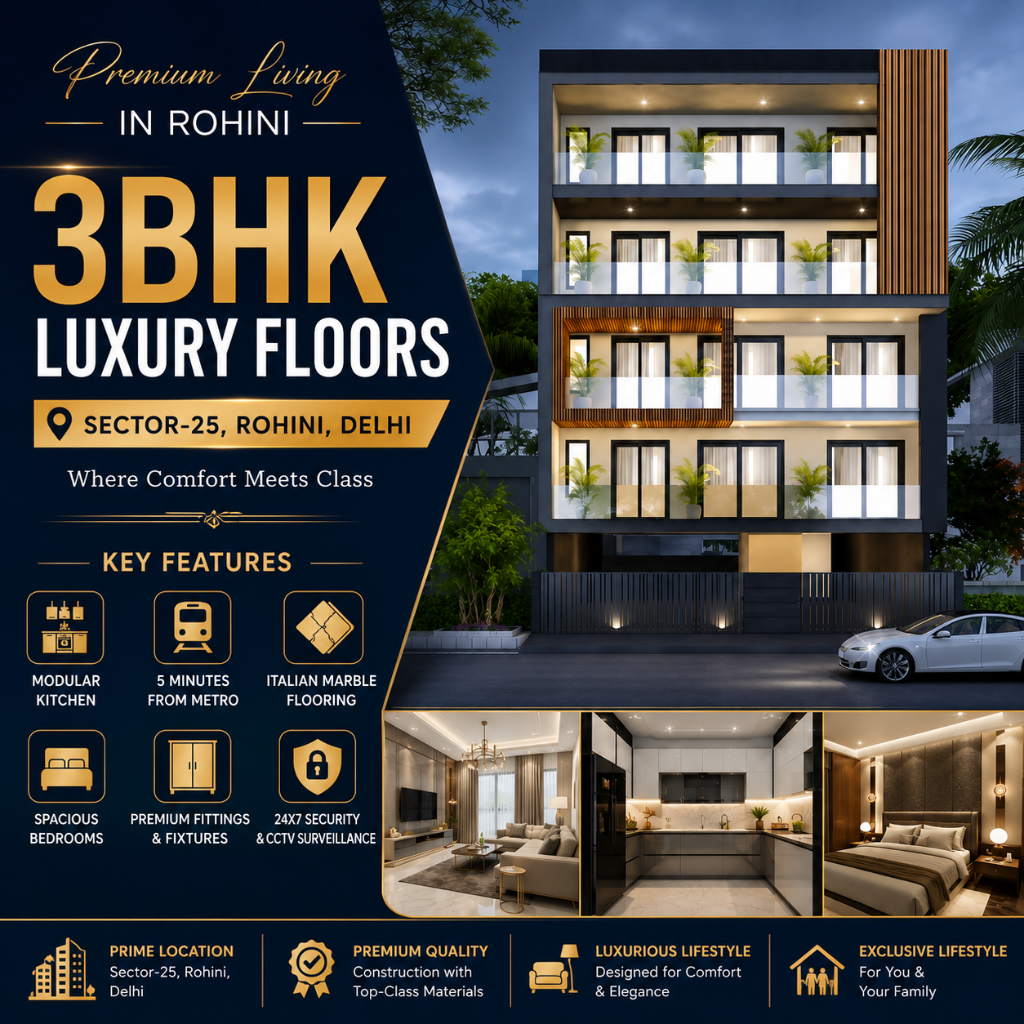
Branded Residences in Gurgaon

Top Branded Residences in Gurgaon for Luxury Living & Investment

Gurgaon has become one of India’s fastest-growing luxury real estate hubs. From world-class infrastructure to premium lifestyle offerings, the city is now home to some of the top branded residences in Gurgaon. These homes are not just about space; they represent status, design excellence, and global living standards. If you’re looking for the best branded residences in Gurugram, this guide will help you understand what makes them special and why they are a smart investment choice. So let us start this blog. What Are Branded Residences? Branded residences are luxury homes designed in collaboration with globally recognized brands. These brands can come from the fashion, hospitality, or automotive industries, bringing their unique design styles and service standards into residential living. In simple words, you get: Why Branded Residences in Gurgaon Are in High Demand? The demand for branded residences in Gurgaon is rising rapidly due to several reasons: 1. M3M Elie Saab If you are searching for the finest branded residences in Gurgaon, then M3M Elie Saab is a name that simply cannot be ignored. This lavish project is nestled within the iconic Billionaire’s Block at Smart City Delhi Airport, Sector-111, Gurgaon. It is developed by M3M Group in collaboration with Elie Saab. M3M is among the top builders in Gurgaon and India. Elie Saab is a premier, high-end luxury fashion brand. What makes this one of the top branded residences in Gurugram is not just the address but the experience it offers. Spread across a visionary 250-acre Smart City township. It is just 0 km from Delhi, and residents enjoy seamless connectivity alongside unmatched privacy and serenity. This is where global design meets Indian precision, creating a residential benchmark that truly stands apart. Also, it is surrounded by iconic landmarks such as Diplomatic Enclave 2, Yahobhoomi Convention Centre, and the International Sports Complex. If you’ve been waiting for something truly different in Gurgaon’s luxury market, something that holds its value, turns heads, and feels genuinely world-class, then Elie Saab is it. Key Features 2. Whiteland Westin Residences When people talk about the best branded residences in Gurugram, Whiteland Westin Residences is a name that keeps coming up. This project is located in Sector 103, Dwarka Expressway, Gurgaon. It is developed by Whiteland Corporation and powered by the globally renowned Westin brand, part of Marriott International. This luxury project is poised to become one of the largest branded residences ever delivered in Gurugram, India. It is a 20-acre master-planned community that perfectly balances urban connectivity with natural serenity. The location of this project is top-notch; it is close to Delhi, the airport, and other major locations. Also, this project is surrounded by premium residences, including Hero Homes Palatial, Satya Levante Residences, and others. But what truly sets this apart from other branded residences in Gurgaon is the Westin philosophy, six pillars of well-being woven into everyday living. This project will offer hotel-inspired concierge services, world-class wellness amenities, a lavish clubhouse, etc. The interiors are designed for people who refuse to compromise on the quality of life. Key Features 3. Tonino Lamborghini Residences There are luxury homes, and then there are homes that carry a legend. Tonino Lamborghini Residences is redefining what it means to live in one of the best branded residences in Gurgaon. It is a new launch project which is located in Sector 71, SPR Road, Gurgaon. It is developed in a prestigious collaboration between Tonino Lamborghini, the globally iconic Italian luxury brand and Signature Global. This project offers ultra-luxury 3 and BHK apartments with world-class amenities. What makes this one of the most talked-about top branded residences in Gurugram is the sheer attention to detail. Every apartment is crafted with high-end Italian-inspired finishes, premium materials, and thoughtfully designed layouts that speak the language of elegance without saying a word. The location of this project adds to its appeal. It is located on the SPR Road and close to the Dwarla Expressway and the Delhi-Jaipur Highway. It offers quick access to Golf Course Extension Road, Sohna Road, Cyber Hub, IGI Airport, and top-tier healthcare and education facilities. For discerning homebuyers and high-value investors, Tonino Lamborghini Residences Gurgaon represents a rare convergence of global brand prestige, Italian design philosophy, and Gurgaon’s most strategic address. Key Features 4. Trump Tower Some addresses don’t just tell you where you live, they tell the world who you are. Trump Tower is one of the most iconic branded residences in Gurgaon to have ever arrived in the Indian real estate market. It is developed by Tribeca Developers in partnership with Smartworld Developers. This branded residence is located in the prestigious Sector 65, Golf Course Extension Road, Gurgaon. It is a collaboration that will bring together global brand prestige, world-class design, and local real estate excellence under one extraordinary roof. Trump Tower is inspired by Manhattan high-rises; it soars above Gurugram’s skyline with a precision-sculpted glass-and-steel façade that commands attention from every angle. What places this among the top branded homes in Gurgaon is the uncompromising commitment to quality and the trust of the Trump brand, which is active across 35+ locations globally and trusted by 100K+ patrons. Key Features Conclusion Overall, the Branded residences in Gurgaon are more than just homes; they are a lifestyle statement. The top global brands are coming to Gurgaon, indicating increasing demand for a luxury lifestyle. Top global brands like Elie Saab, Westin, Lamborghini, and Trump are entering the Gurgaon market, giving buyers access to unmatched luxury and design. This list of best branded residences consists of M3M Elie Saab, Whiteland Westin Residences, Trump Tower, and Lamborghini Residences. Every project on this list represents something rare: a truly world-class home, right here in Gurgaon. The question isn’t whether you should invest in a branded residence. The question is which one is right for you? FAQs
You have been successfully Subscribed! Ops! Something went wrong, please try again.

About Us

Brokersaathi, where we redefine the real estate landscape. Established in 2023, we are more than just a company, we are your trusted partner in navigating the dynamic world of real estate. Our commitment goes beyond transactions. We are here to empower you with a suite of services that elevate your real estate experience.
©2026 BS Brokersaathi. All rights reserved

©2024- All Right Reserved. Designed and Developed by  Blaze Themes