News Elementor

Latest Posts

Top 10 Cleanest Cities in India

Top 10 Cleanest Cities in India 2026 – List of India’s Cleanest City

India’s fast-paced urban growth has created new opportunities but also created some challenges in cleanliness, Green and sustainable waste management, and urban public health. The Government of India is conducting an annual cleanliness survey called Swachh Survekshan to encourage better civic sense and improve sanitation across the country. This survey ranks cities based on various cleanliness and hygiene parameters. As result of the competitive nature of citizens and also because of increasing awareness, several cities are now setting standards for cleanliness, environmental responsibility, and active participation of community. This blog lists the cleanest city in India as per updated cleanliness index, highlighting the top 10 cleanest cities in India, and studies what India’s clean cities talks about urban governance and citizen behaviour. What Is Swachh Survekshan and How Are Cities Ranked? The Swachh Survekshan is the world’s largest urban cleanliness survey, implemented by the Ministry of Housing and Urban Affairs under the Swachh Bharat Mission. The survey tests more than 4500 cities across 50+ indicators including solid waste management, sanitation infrastructure, public feedback, control of open defecation, and cleanliness innovations. The ranking is done on basis of aggregated score and categorized by population size to maintain fairness among small and large urban areas. The result is a cleanest city in India list that reflects performance across a wide spectrum of civic services.  List of Top 10 Cleanest Cities in India Here is a list of India’s Cleanest Cities in 2026 as per the Swachh Survekshan Reports: Rank City State 1 Indore Madhya Pradesh 2 Surat Gujarat 3 Navi Mumbai Maharashtra 4 Visakhapatnam Andhra Pradesh 5 Vijayawada Andhra Pradesh 6 Bhopal Madhya Pradesh 7 Ahmedabad Gujarat 8 Rajkot Gujarat 9 Gandhinagar Gujarat 10 Chandigarh Chandigarh According to the latest Swachh Survekshan results from the 2024–25 survey, several cities have distinguished themselves through sustained cleanliness efforts, innovative waste solutions, and active civic engagement. Below is a top 10 cleanest city in India based on national rankings: 1. Indore, Madhya Pradesh Indore continues to rank 1st as India’s cleanest city, and it’s holding this top position for 8 years in a row now. This all can be possible only because of its effective waste management systems, open defecation control, and community-driven cleanliness programs. Continuous monitoring, use of technology, and citizen involvement have strengthened hygiene practices. 2. Surat, Gujarat Surat is famous in its cleanliness and effective waste management schemes and programs, making it a blueprint for urban hygiene in India. There has also been enhancement of standards of hygiene by the involvement of the people and the integration of technology. The strict governance of Surat has helped it in having a clean and strong urban environment. 3. Navi Mumbai, Maharashtra As the city with a good organizational urban space and active civic policies, Navi Mumbai is one of the cleanest cities in India and it can also be seen as the city planned well and engaged in the activities of the community keeping the hygiene. Municipal control and collaboration with citizens make it a clean atmosphere. The intended development of Navi Mumbai helps in maintaining the cleanliness of the place. Navi Mumbai is also one of the best cities to live in India due to Job opportunities, Good Educational Institutes, Quality Healthcare Facilities etc. 4. Visakhapatnam, Andhra Pradesh Visakhapatnam is at 4th position among the list of cleanest cities in India, making an emphasis on the cleanliness in the parks and streets, and in other places of community use. These efforts are facilitated by strong civic participation. The emphasis in hygiene and planned city maintenance has rendered Visakhapatnam one of the cleanest cities in India. 5. Vijayawada, Andhra Pradesh Vijayawada is known to have an effective door-to-door waste collection network and high urban cleanliness rates and effectiveness in terms of managing waste within household. The efforts of Vijayawada to keep the city clean help in making the city a place that is healthier and more pleasing. 6. Bhopal, Madhya Pradesh Bhopal is known to have developed sanitation facilities with the modernized infrastructure, which has initiated the process of modernizing the sanitation facilities, enhancing the general cleanliness level and health of people. The emphasis that the city of Bhopal has on the issue of urban cleanliness and green spaces makes it a cleaner city in India. This city, also known as the “City of Lakes”, is the capital of Madhya Pradesh. It is among India’s cleanest cities due to its well-maintained roads, effective waste management systems, and strong focus on cleanliness and sustainability. 7. Ahmedabad, Gujarat Ahmedabad, Gujarat, is among the cleanest cities in India in 2026 as a result of its cleanliness initiatives which are planned and consistent. The city government has paid attention to effective waste management, frequent sanitation campaigns, and high levels of involvement of people. Swachh Bharat programs have been successfully put in place making the streets and other open places cleaner. The determination of Ahmedabad towards sustainability and civility has been important in ensuring that high levels of cleanliness are observed. 8. Rajkot, Gujarat Rajkot, Gujarat, has also recorded an impressive increase in the level of civic cleanliness due to better municipal work and the efforts of the community population. The city has enhanced its waste segregation, door to door collection and sanitation facilities. Citizen cooperation and awareness campaigns have also helped in making the public areas clean. The consistent development of Rajkot explains its increasing efforts to preserve the stable urban condition that is hygienic and sustainable. 9. Gandhinagar, Gujarat Gandhinagar, Gujarat, is known to have clean streets, and a great sense of greenery and urban development planning. The city still has effective waste management systems as well as maintainable roads and areas. Large amount of green cover and landscape helps in a healthy environment. The civic planning and cleanliness that is well organized in Gandhinagar also makes it one of the cleanest cities in India. 10. Chandigarh Chandigarh is unique in its own way of having a strict and serious cleaning schedule which was assisted by...
Read more
Best Cities to Live in India 2026

Top 10 Best Cities to Live in India in 2026: India’s Most Livable Cities

India is a land of diversity – not just in culture, food, and languages, but also in the way people live. With rapid urbanisation and rising aspirations, choosing the best city to live in India has become an important decision for families, students, professionals, and retirees alike. But what makes a city the best? Is it safety? Quality of life? Cleanliness? Affordability? Job opportunities? In this blog, we’ll explore all of these factors and help you discover the cities that are leading the lifestyle sector in 2026. What Makes a City the Best Cities to Live in India? To decide which cities is best to live for you, we look at multiple factors that affect the quality of life: Safety & Low Crime Rates Clean Environment and Hygiene Standards Cost of Living & Affordability Job Opportunities and Economic Growth Infrastructure and Connectivity Education and Healthcare Facilities List of Top 10 Best Cities to Live in India 2026  Based on various quality-of-life indicators and looking ahead into 2026, here is an updated list of the Top 10 Most Livable Cities in India. These cities combine infrastructure, livability, culture, and opportunities to offer excellent urban living standards: Rank City Why it’s Great 1 Bengaluru IT and job hub, vibrant culture, great weather 2 Pune Student-friendly, pleasant climate, growing industries 3 Ahmedabad Culture-rich, business opportunities, improving livability 4 Chennai Excellent healthcare & education, coastal city with charm 5 Surat Economic growth, safety, and cleanliness 6 Navi Mumbai Planned city layout, quiet residential life 7 Coimbatore Growing economy, lower cost of living 8 Vadodara Safety-oriented and affordable 9 Indore Cleanest city reputation, smart city growth 10 Greater Mumbai Financial capital with unmatched opportunities These cities score well on multiple fronts – from infrastructure to community services – making them strong contenders for most livable cities in India in 2026. The first city on the list of the best cities to live in India is Bangalore. It offers you a vibrant culture and a pleasant climate. Bangalore has a strong job market, global tech companies, and a thriving entrepreneurial ecosystem. This city is also known as the “Silicon Valley of India” and offers unmatched career opportunities, especially in the IT, startup, and innovation sectors. That’s why Bengaluru is considered the most livable city in India. Most Livable City in India When it comes to livability – the overall comfort and quality of life – Bengaluru often stands tall in national rankings. According to the Ease of Living Index from recent years, Bengaluru has consistently scored very high, especially in employment, infrastructure, and recreational opportunities. However, Pune, Ahmedabad, Chennai, and Surat closely follow due to excellent balance between urban conveniences and pace of life. These cities give residents a comfortable lifestyle without the extreme hustle of some mega-metropolises. Which is the best city to live if safety is your biggest concern? Safety plays a huge role in our choice of a residence, especially for families and women. According to the Safety Index rankings from 2025, here are the Top 10 Safest Cities to live in India: Rank City Safety Index Crime Index 1 Mangalore 74.3 25.7 2 Vadodara 69.2 30.8 3 Ahmedabad 68.2 31.8 4 Surat 66.6 33.4 5 Jaipur 65.2 34.8 6 Navi Mumbai 63.5 36.5 7 Thiruvananthapuram 61.1 38.9 8 Chennai 60.3 39.7 9 Pune 58.7 41.3 10 Chandigarh 57.4 42.6 Data based on the Safety Index and Crime Index (higher Safety Index = safer city). Mangalore, a coastal gem in Karnataka, leads the list as the Safest City in India, making it an attractive choice for families and retirees. If safety is your top concern, then Mangalore, Vadodara, and Ahmedabad are among the best cities to live in India in 2026. These cities have low crime rates, a stable law-and-order environment, and strong civic infrastructure. Most Clean City in India Cleanliness is essential for health and well-being. Cities are ranked annually in the Swachh Survekshan program that evaluates waste management, sanitation, citizen feedback, and environmental initiatives. Here are some of the Cleanest Cities in India as of 2026: Indore – Ranked #1 and repeatedly showcased as India’s cleanest major city Surat – Excellent waste management and urban cleanliness Navi Mumbai – High cleanliness standards Vijayawada – Emerging clean city Chandigarh – Planned, well-maintained sectors and urban hygiene Indore, having secured the top rank again, remains a benchmark for cleanliness in India – a recurring top contender for Most Clean City in India. Best Cities to Live in India for Work-Life Balance For many people, especially in 2026, work-life balance has become a deciding factor. Cities like Pune, Coimbatore, Mangalore, and Vadodara offer shorter commute times, relatively lower stress levels, and better access to nature. These cities are increasingly being seen as the Most Livable Cities in India for professionals who want career growth without sacrificing mental and physical well-being. Compared to metro giants like Mumbai or Delhi, these cities provide cleaner air, less congestion, and a slower pace of life – making them perfect for long-term settlement. Best City to Live in India for Affordable Living Affordability is another crucial factor when identifying the Best City to Live in India 2026. While cities such as Mumbai, Bengaluru, and Delhi NCR offer higher salaries, they also come with a significantly higher cost of living. Cities like Indore, Surat, Ahmedabad, Coimbatore, and Jaipur strike a balance between affordability and urban infrastructure. These cities allow residents to enjoy quality housing, healthcare, and education at a fraction of metro-city costs, making them strong contenders among the Top 10 Best Cities to Live in India. Best City to Live in India for Infrastructure and Connectivity Modern infrastructure plays a key role in determining the Most Livable City in India. Cities with well-planned road networks, public transport systems, airports, and digital connectivity naturally rank higher in livability indexes. Bengaluru excels in tech infrastructure and global connectivity Chennai stands out for its ports, metro rail, and healthcare infrastructure Navi Mumbai is often praised for its planned layout and upcoming...
Read more
1 2 3

Editor's Picks

Lucknow Kanpur Expressway

Lucknow Kanpur Expressway – Status, Opening Date, Map, Update & More

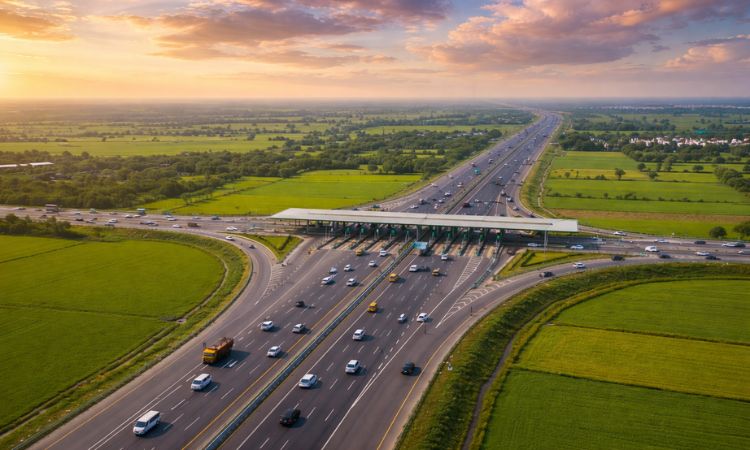
After the Purvanchal and Ganga Expressway, Uttar Pradesh gets its next expressway, and that is the Lucknow Kanpur Expressway. You can also call it “Awadh Expressway.” It is a major new infrastructure project in Uttar Pradesh designed to reduce travel time between Lucknow and Kanpur. It is a 6-lane access-controlled expressway that will cut travel time and boost regional connectivity and economic growth. The length of this expressway is 63km. The approved budget for the construction of this expressway is Rs. 4,700 crores. According to NHAI, construction of the Awadh expressway began in January 2022. The project is expected to enhance regional economic growth, strengthen urban–industrial links, and significantly improve the overall travel experience between Lucknow and Kanpur. In this article, we will explore Lucknow Kanpur Expressway, its Status, Opening Date, Key Features, Economic aspects, and more. So, let us start this blog. Lucknow Kanpur Expressway Overview Feature Data Total Cost ₹4,700 crore Length Approximately 63 km Total Lanes 6-lane highway Reduced Travel Time 35-45 minutes (current time: 3 hrs) Current Status 80% complete Expected to open (new opening date) (Earlier was May-June 2025); now it is expected to open in March 2026 Next-gen Technology Used AIMC (Automated & Intelligent Machines) Starting at Shaheed Path, Lucknow Connecting Lucknow Ring Road, Agra-Lucknow Expressway Ending Point Nawabganj, Kanpur Lucknow-Kanpur Expressway Opening date This expressway project is anticipated to be open for public use during March 2026. Lucknow Kanpur Expressway – Travel Time & Project Cost The Lucknow-Kanpur Expressway Project will be built along a 63 km corridor and will provide a time savings of approximately 30 minutes compared to the existing driving times of 1.5 to 3 hours. It will also have a cost of approximately Rs 4700 crore, and the corridor will be configured as a modern access-controlled route that will eliminate traffic congestion, enhance roadway safety, and reduce fuel consumption. This budget is issued for the entire project, including Bridges, underpasses and flyovers The Kanpur-Lucknow Expressway, which is to connect to the Ganga Expressway, will complement the significant reduction in distance and time needed to travel from East to West and Vice-Versa in UP. Lucknow-Kanpur Expressway Route Map This expressway consists of 62.76 Kms (39 miles) connecting: Starting Point: Shaheed Path in South Lucknow Ending Point: Azad Chauraha near Kanpur’s Ganga Bridge The expressway traveling parallel to NH-27 and will reduce the time between the two cities by approximately 50 minutes compared to the current 2-hour trip. Also Read – Delhi Mumbai Expressway Lucknow-Kanpur Expressway: Current Progress Currently, approximately 80% of the construction is completed with work progressing rapidly using AMG technology, according to NHAI personnel using 3D automatic machine-guided (AMG) technology. The Lucknow-Kanpur Greenfield Expressway, which will utilize the latest technology and improve connectivity and high-speed travel for commuters and businesses, is anticipated to transform travel between the two cities, reducing travel times to 40-50 minutes. This ₹4700 crore investment will prove to be a game changer for businesses and commuters in Uttar Pradesh. Kanpur Lucknow Expressway: Economic Impact This expressway will have a tremendous impact on the economy of the region and will likely benefit farmers, students, businesses, and industries by improving their ability to reach markets, access educational institutions, and receive healthcare as well as find employment opportunities; thereby, supporting the development of the UP economy as it will serve as a catalyst for improving these areas. The expressway will make it easier for people to travel to educational institutions of all types in the vicinity of Lucknow and Kanpur. It will facilitate movement of students from rural areas to urban universities and other educational facilities as well as create new opportunities for economic growth and development at the local community level. Therefore, this road project will serve as the catalyst for substantial change between these two great centres of Learning in Uttar Pradesh. Future Ready Infrastructure As per the National Highways Authority of India (NHAI), the development of the new Lucknow – Kanpur Expressway represents a major breakthrough in the field of infrastructure development in India because it has successfully addressed many of the challenges associated with building complex infrastructure. In addition, the new expressway has been constructed with the application of a variety of cutting-edge engineering technologies including: The construction of multiple vehicular and pedestrian underpasses, box culverts, reinforced soil (RS) walls, and well-planned interchanges intended to facilitate the safe and efficient movement of traffic through the system, as well as to provide access points for pedestrians along with an adequate stormwater management system. Lucknow-Kanpur Expressway Key Features The National Highway Authority of India (NHAI) has pioneered the use of Automated & Intelligent Machines (AMIC) for the first time in India. These machines are equipped with the following capabilities: Conclusion Overall, the Lucknow-Kanpur Expressway will be a game-changer project for Uttar Pradesh. It will offer faster, safer, and smoother connectivity between these two cities. This expressway will encourage industrial and real estate growth along the corridor and reduce travel time and traffic congestion. It will strengthen economic activity and improve daily commuting. FAQs
Jewar Airport Noida

Jewar Airport Noida – Location, Opening Date, Status & More

Jewar international airport- officially known as The Noida International Airport, Jewar, is set to be one of the most advanced and largest aviation hubs in India. Planned to ease footfall at the IGI Airport, Delhi, and to make Noida-Greater Noida-Yamuna Expressway a global economic hub, this new airport is already making news, attracting investors, and defining future travel for millions. The project is one of the most ambitious infrastructural developments in India, which has ultra-modern terminals besides smooth multimedia connectivity. This blog will cover it all such as the Jewar Airport Noida Location Map, the current status of construction, date of opening, distance to major cities and the current updates. Jewar Airport Noida Overview Aspects Details Official name of Jewar International Airport Noida International Airport Location of Jewar Airport Jewar, Gautam Buddha Nagar District, Uttar Pradesh, India Date of commencement of construction of Jewar Airport June 2022 Date of Opening of Jewar Airport (Phase I) August 2026 (expected) Jewar Airport Code by IATA DXN Authority Noida International Airport Limited (NIAL) Powered by Yamuna International Airport Pvt. Ltd. (YIAPL) Type of Airport Public Status of construction Under-construction Jewar Airport Cost Rs. 29,650 crores Jewar Airport Area 1334 hectares (3296.386 Acres) Total Terminals 4 Terminal Total no. of Runways 6 Runway Runway length 4 km Jewar Airport official Website www.niairport.in Noida International Airport Actual Images Latest Update on Jewar Airport Noida The Jewar International Airport, located in Noida, India, aims to provide excellent service to Delhi NCR’s growing population. However, residents near the airport are still waiting for confirmation on its opening date as it continues missing open dates. Earlier this month, Union Minister of Civil Aviation Ram Mohan Naidu announced that the Jewar International Airport will open in February; however, official sources from the airport headquarters indicate some major parts of the development are not complete. Therefore, it is likely it will not open anytime soon. The estimated total cost of the Jewar International Airport’s first phase is approximately Rs 6,800 crores (approximately $1 billion), with the first official opening date estimated for September 2024. The airport spokesperson has stated that there has been no cost increase on the project; however, there have been approximately 17 months of construction delay. Recent reports indicated that construction was moving rapidly within the architecturally cohesive landscape at the Jewar International Airport and foundations will soon be laid for multiple sections of the airport. These reports and sources also revealed that the Jewar International Airport does not anticipate opening by the projected March date, as there are many construction activities remaining before the airport can actually begin operations. “I don’t think they will be able to open even in March 2026”, a source on the Jewar International Airport said, as there is still too much pending construction. Explore Premium Residential Projects Near Jewar International Airport Projects Location ATS Pristine Sector-150, Noida Experion Elements Sector-45, Noida Godrej Woods Sector-43, Noida M3M Jacob and Co Sector-97, Noida M3M Cullinan Sector-94, Noida What Makes Noida International Airport Special? 1. One of India’s Largest Airports in the Making Once completed, Jewar International Airport Noida is expected to handle 70 million passengers annually in its final phase. The airport will feature: Strategic Location: Crafted for effortless Connectivity The Jewar Airport Noida Location Map clearly shows why this spot was chosen — perfect for travellers from: Noida to Jewar Airport Distance About 40–45 km, making it easily reachable via: Jewar Airport Construction Status: Where Things Stand Today The construction is moving forward rapidly with: As per the latest updates on Jewar International Airport Latest News, the first phase is almost done, reflecting strong progress. Jewar Airport Noida Opening Date The expected opening date for Jewar International Airport is Mid 2026, allowing both domestic and international flights to begin operations. Once open, this airport is set to become NCR’s biggest aviation asset. World-Class Features & Future-Ready Infrastructure Noida International Airport promises: Noida International Airport – Economic Impact Jewar Airport Noida is expected to: The area surrounding the airport is already experiencing a boom, led by significant investments and new industrial corridors. Jewar International Airport Latest News Conclusion Jewar International Airport is not just an aviation project – it is also a publicity of the rising global potential of India. With world-class design, powerful connectivity, and a massive economic impact, the airport is set to rewrite NCR’s future and transform the entire region into a global business hub. FAQs
top 10 Posh Areas in Bangalore

Top 10 Posh Areas in Bangalore in 2026: Most Expensive Areas

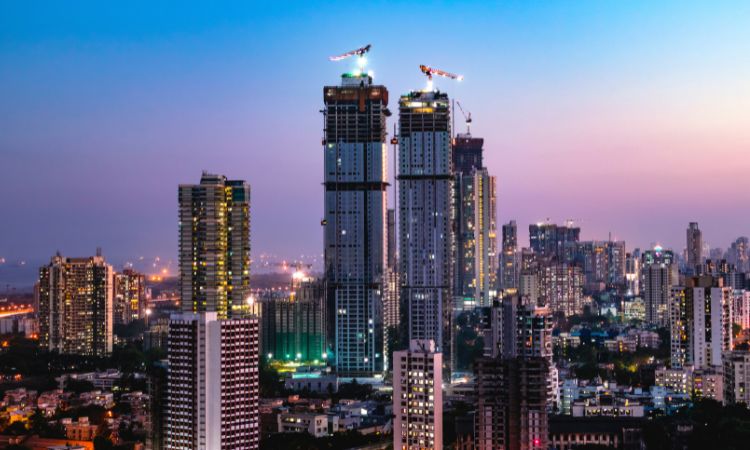
Bangalore, frequently referred to as Silicon Valley of India, was established to be one of the most technologically advanced cities as well as having desirable residential areas suitable for a number of living and investment preferences. The city consists of many premium areas, such as the leafy traditional-style neighbourhoods and the modern tech-oriented suburbs that provide stylish living, strong infrastructure, superior education, and high value real estate. In addition to these two categories there are many more types of posh areas in Bangalore. Each of these residential locations provides residents with the convenience of having access to basic necessities while offering the ultimate way to enjoy an upscale lifestyle through high-end amenities, excessive green space and the highest security and exclusivity. This article provides a complete overview of the richest residential localities in Bangalore with the following information; Industry Trends, Investment Insights, Price Trends, Key Amenities and Future Growth. List of Posh in Bangalore in 2026 S.no. Posh Areas of Bangalore 1. Koramangala 2. Indiranagar 3. Jayanagar 4. Whitefield 5. Sadashivanagar 6. Rajajinagar 7. HSR Layout 8. Malleshwaram 9. Lavelle Road 10. Richmond Town 1. Koramangala – Among Posh Areas in Bangalore Pincode – 560034 It is one of the best places to live in Bangalore, thanks to the combination of numerous offices, restaurants and recreational areas. Koramangala is comprised of premium residential enclaves, well-developed start-up industries, co-working spaces, a wide selection of dining options and entertainment venues.  With increasing numbers of offices, restaurants and entertainment venues, Koramangala has the perfect balance between residential comfort and commercial activity. It is one of the best neighbourhoods for people who want to live a busy urban lifestyle because of the options available. Koramangala also has a high level of social activity and provides residents with many opportunities to meet new people and experience an exceptionally diverse mix of cultures. Trends in properties in Koramangala: High prices relative to other areas, high rental demand, excellent lifestyle quality so it is highly attractive for reselling and/or appreciation. Property prices: Rs. 19,828 per sq. ft. 2. Indiranagar Pincode – 560038 Indiranagar stands firm at the 2nd rank in the list of top 10 posh areas in Bangalore. It offers a cosmopolitan lifestyle to its residents and has a unique blend of modern-day living with traditional values. Not only are there many dining and shopping options, but you can also find homes of very high quality and design, something that is uncommon in most other neighbourhoods in Bangalore; whether you’re looking for a boutique, an upscale cafe, or luxury accommodation, all these can be found in Indiranagar. It has a busy urban community atmosphere with upscale lifestyles and is one of the fastest growing and most dynamic areas among most expensive areas in Bangalore.  Property prices: Rs. 14,150 per sq. ft.  Also Read – TOP 10 Best City to live in India 3. Jayanagar Pincode – 560011 Heritage charm meets structured planning. Broad, green avenues, parks, and community culture make it ideal for families. Real estate here is stable, premium, and less volatile. In addition to that, there is a great number of shopping centres and traditional markets located close by; the area also has a significant number of cultural amenities, such as theatres and museums, allowing people to experience both the past and present at the same time. Because of this, many families choose to live in the area due to the proximity of highly regarded schools and hospitals.  Property prices: Rs. 16,226 per sq. ft. 4. Whitefield – Among Most Expensive Areas of Bangalore Pincode – 560066 Once a quiet suburb, Whitefield is now a major residential and IT hub with high-rise apartments, gated communities, and top-tier amenities. Whitefield is located on the eastern side of Bangalore (Bangalore Urban District), via PIN code 560066; originally established as an English community and later as a multicultural community. The IT industry in Bangalore contributes primarily to the overall economic growth of Bangalore, while attracting professionals from all over India and around the world.  Property prices: ~Rs. 10,103 per sq. ft.  5. Sadashivanagar Pincode – 560080 One of the oldest elite neighbourhoods in Bangalore, featuring sprawling bungalows and tree-lined avenues. It is home to many dignitaries and long-established families. Sadashiva Nagar was originally named as “Palace Orchards” which refers to the historical royal estates of Bangalore Palace. The name was subsequently changed to Sadashiva Nagar in honouring Karnad Sadashiva Rao who was an Indian freedom fighter and philanthropist.  Sadashiva Nagar has become known as being home to a number of opulent villas and luxury residential properties owned by some of the most respected business, entertainment, government, and affluent families in Bengaluru.  Property prices: Rs. 32,073 per sq ft  6. Rajajinagar Pincode – 560010 Lush and well-connected, Rajajinagar is gaining traction with new developments and community infrastructure, blending tradition with modern living. Rajajinagar is an ideal family-oriented neighbourhood where the community has a very practical, non-flamboyant environment that promotes reliability and good access to services. The lifestyle of families in Rajajinagar has earned the area a recognition as one of the richest neighbourhoods in Bengaluru.  Property prices: ~Rs. 20000+ sq ft  7. HSR Layout Pincode -560102 A favourite among families and professionals for its planning, parks, and quiet streets. Its connectivity to IT corridors and future metro make it a smart investment. Property prices: ~Rs 15,000- 18000 Per SQ. FT. 8. Malleshwaram Pincode -560003 Well-established and leafy, Malleshwaram balances heritage with modern comforts. It is popular with families and professionals alike thanks to its location and community vibe. It is named after famous temple Kaadu Malleshwara. Malleshwara has now adopted a cosmopolitan character as one of the historically rich areas, with multi-storey apartments replacing many large bungalows. It has mixed populations, comprising large families of middle and upper-middle incomes. Retail and wholesale shops on Sampige Road, the 11th Cross Flower Market and legendry eateries on the Margosa Road has attracted all type of people.  Property prices: Rs. 15,541 per sq. ft. 9. Lavelle Road Pincode -560001 One of the most prestigious thoroughfares in the core city, known for luxury apartments, executive living, and proximity to flagship malls and CBD offices. Property here commands a...
Freehold Vs Leasehold Property

Freehold Vs Leasehold Property: Key Differences, Meaning & Ownership Rights

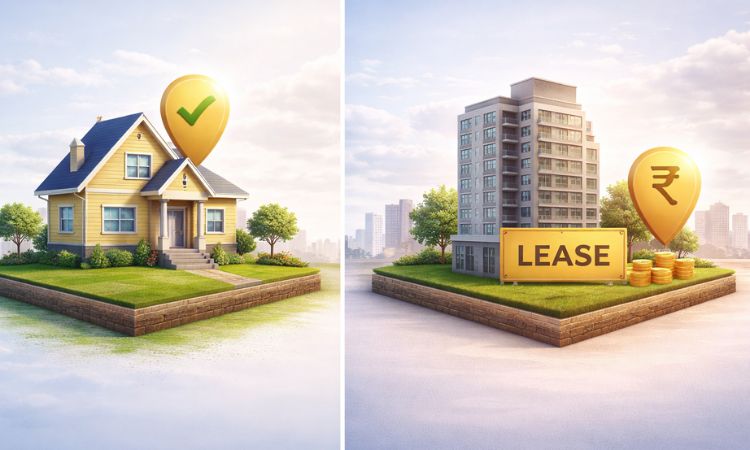
In India, real estate may be either freehold or leasehold. Many of you who have attended hearings about government proposals to convert certain parcels of property from leasehold to freehold may already have heard of this topic. You wonder what you should know about freehold property, how it is different from leasehold property, what benefits you would get by owning freehold property, your rights as an owner of freehold property, the documents needed to buy freehold property and a lot more. An understanding of freehold Vs leasehold property should assist you in making wise decisions about your real estate purchase/sale/investment, and is therefore helpful for both first time home buyers and experienced real estate investors. What is Freehold Property?  A freehold property means the buyer has complete ownership of both the property and the land it stands on. Once purchased, there is no limit to how long the buyer will own the land/property or for how long the property will exist (The only limitations on what the buyer can do with the property are the laws of the jurisdiction). In addition, the owner has the right to sell the property at any time or lease it to anyone. Freehold properties have clear ownership rights, making them worth more. These properties are also easier to sell and banks prefer freehold properties when giving out home loans. The homeowner (freeholder) is required to maintain the property without the involvement of anyone else. The freeholder has the right to stay in the property for as long as they own it. What is Leasehold Property? Leases indicate that you own the property for a specified period of years; however, the land itself continues to be owned by the landlord. Lease periods can last anywhere from one to ninety-nine years and then become the property of the landlord again. Generally, all sale or transfer transactions require the consent of the landlord. Leasehold properties tend to cost less than freehold properties and banks will tend to impose stricter loan terms due to a less than indefinite ownership period. If you wish to extend your lease on a leasehold property, then there may be an extra cost associated with this. Leasehold properties are usually found in areas owned by government or authority. Also Read – What is BBA in Real Estate Difference Between Freehold and Leasehold Property If you want to see the difference between freehold and leasehold properties, then you may want to check this extensive list below: Name Leasehold Freehold Time period Lease duration can be of 1, 30, 60, 99 years No tenure restrictions Ownership rights Leaseholder has the right to occupy the property for a fixed term, post which the land ownership is retained by the original owner Owner has complete ownership of the land and property indefinitely Transfer of Ownership Requires the original owner’s consent and a transfer fee may be applicable Easy to sell, transfer, or gift without restrictions Maintenance responsibility Landlord is typically responsible for the building structure, while the leaseholder may handle interiors Owner is fully responsible for maintenance and repairs Property price and value Generally lower value due to limited ownership rights and lease renewal considerations; value can depend on the remaining lease period Usually higher due to complete ownership rights Pros and Cons of Freehold Property  Pros of Freehold Property Cons of Freehold Property Pros and Cons of Leasehold Property Pros of Leasehold Property Cons of Leasehold Property What are the steps to convert a Leasehold Property to a Freehold Property? How to sell a Freehold Vs leasehold Property? Challenges & key Differences: It is important that you are knowledgeable about the process of buying a freehold or leasehold prior to purchasing a property, especially for an investor. Generally speaking, it is easier to sell freehold properties than leasehold properties because the selling process for freehold properties consists of forming a sales agreement with the buyer, and registering the deed at the sub-registrar’s office.  To sell a leasehold property, the seller must first submit the proposed sale to the governing body that owns the land under a ‘Memorandum of Transfer’ form. This is done after being granted permission from the governing body to sell, known as memorandum of transfer. The buyer and seller must also sign the memorandum, at which point the sub-registrar will validate both parties’ signatures, and 1-2 weeks later, the buyer will receive a sub-lease.  Although the sale of leasehold properties may vary slightly by removing or adding to a municipality’s by-law, you should obtain guidance from an attorney or another knowledgeable real estate professional before selling leasehold property. Generally speaking, freehold property provides you (the buyer) with complete ownership, more flexibility when selling, and more access to mortgage loans than leasehold properties, although you can typically sell leasehold property for much less than you can full ownership, as well as significantly lower maintenance costs. For this reason, it is essential that you weigh out all pros/cons of each type before making your purchase offer. Can the government take back (reclaim) freehold land? Freehold property gives you the right to full possession of the buildings and land you have purchased, which now raises the question of how the government can take back ownership of your land? Despite the kind of land you have, the government can decide to take it back if the land is in the way of developmental activities like industrialization or urbanization. You will, of course, be paid a fixed per sq. ft price based on the land. Rights of the Owners of Freehold Properties As mentioned above, one of the best benefits of freehold property is complete freedom. Below are all the possible rights that freeholders may use and take advantage of when using, occupying, utilising and/or owning their properties: FAQs
reasons to invest in Dubai Real Estate

Top 10 Reasons to Invest in Dubai Real Estate in 2026

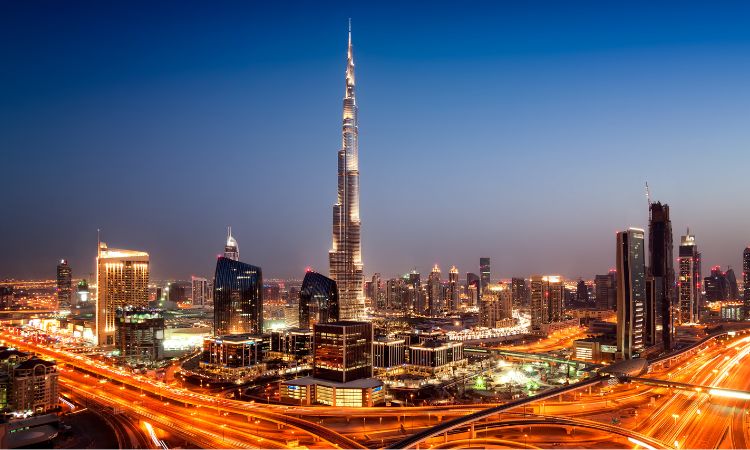
Over the past few years, Dubai has established itself as a premier destination for international real estate investors. With a combination of tax-free policies, world-class infrastructure, and robust rental yields and capital appreciation, it is no surprise that the Dubai property market is experiencing a period of sustained growth. Based on data from the first half of 2025, Dubai experienced significant growth in both the number of transactions and the total dollar value transacted, with millions of square feet sold and significant growth year over year in the dollar amounts received for transaction values. Below we present you with our Top 10 reasons why Dubai is still a leading choice for international real estate investors along with supporting factual market data and recent trends, including examples of actual returns on select properties. 1. No Property Taxes Among the multiple benefits of investing in Dubai real estate is the lack of taxation on ownership, capital gains, and rental income; therefore, investors retain 100% of their profits when selling or renting out property in Dubai and comparatively to other Western markets where taxes are extremely high on returns to investors. Why it’s important: This tax neutrality boosts net profitability and makes investment calculations far more attractive. 2. Strong Rental Yields and Cash Flow The rental yields in Dubai are among the highest globally, typically averaging between 6% and 10%, depending on where the property is located as well as the type of property. Typical average yields (2025 estimates) These returns are significantly higher than many Western cities where yields often sit between 3–5%. 3. Capital Appreciation and Market Growth Dubai’s property market has experienced a tremendous amount of price appreciation, which can be attributed to strong demand for properties from both local residents and international investors. As a result of the increasing demand for real estate, average residential property prices have risen dramatically, with most segments of the residential market experiencing an increase in average residential units by approximately 20% from 2024 to 2025, while specific segments, such as luxury and villas, have experienced even higher increases in value. Continued high demand and limited supply in the most desirable areas will continue to support the growth of asset values over the long term. 4. Global Business and Tourism Hub Dubai is centrally located between Asia, Europe, and Africa, and serves as a global hub for businesses and travel. In 2024, as a result of the growing Tourism Industry, over 17 million international visitors were welcomed into the country. Investors have tremendous opportunities to create income from short-term rentals and vacation rentals as a result of their desire to attract tourists. Dubai’s global reach means there will continue to be a strong demand for property by both residents and tourists. 5. Diverse Population and Expat Demand The demographic growth of Dubai and the influx of workers and families from around the world are creating a large expatriate population, which keeps demand for rental properties strong. Population growth in conjunction with the new residents being introduced to the housing rental market will not only create long-term demands for homes but also for rental. 6. Investor-Friendly Ownership Regulations The advantage of having investor-friendly rules and regulations regarding ownership of real estate in Dubai is the ability of foreign investors to own real estate with full freehold title in specifically specified areas. This contrasts with the majority of other global cities that would have limitations on foreign ownership. Furthermore, the ownership of real estate in Dubai has a strong legal framework and well-established systems in place to ensure proper governance and protection of real estate ownership, such as the Dubai Land Department and the Real Estate Regulatory Agency. 7. High Transaction Volume and Market Liquidity As one of the fastest-growing real estate markets in the world, Dubai’s real estate environment will provide investors with a very healthy level of liquidity to support a large volume of transactions. In just the first half of 2025 there have already been substantial increases in both volume and total value of transactions compared with 2024; therefore, it is likely that Dubai’s real estate market is trending positively. Liquidity offers investor confidence that they will always be able to enter or exit the marketplace as needed. 8. Flexible Payment and Off-Plan Options In addition to having a growing real estate market, developers in Dubai typically have post-handover payment plans as well as payment plans for off-plan purchases. These options provide investors an opportunity to invest into an asset at a lower price before completion and then pay for that space over the term of their agreement, thus maximizing returns and cash flow strategies. Additionally, off-plan investments take advantage of the low pricing of early stage investments and increase demand for real estate after the project is finished. 9. World-Class Infrastructure and Mega Projects The current and future development of Dubai’s infrastructure including expansion of metro systems, airports, new tourist attractions, etc. contributes to the strong continual demand for real estate in Dubai. New large-scale developments such as Expo City, Dubai Creek Harbour and others, will continue to attract interest, generate demand, and therefore create value for other real estate in Dubai. 10. Strong Economic Fundamentals and Stability The Dubai economy is very diverse and is resilient with several strong sectors such as trade, tourism, logistics, finance and real estate. This diversity and strength represent a stable platform for real estate investment. Additionally, Government initiatives to achieve sustainable economic development will continue to enhance investor confidence in Dubai real estate. Conclusion Overall, Dubai is among the top real estate investment destinations in 2026. This city is attracting top investors and homebuyers worldwide. The reason is its policy, tax-free ownership, strong rental yields, steady capital appreciation, and investor-friendly regulations. Dubai is one of the most efficient property markets in the world. This city is getting good benefits from population growth, rising tourism, infrastructure expansion, and a diversified economy that will ultimately increase the demand for housing. The major reason to buy or...
You have been successfully Subscribed! Ops! Something went wrong, please try again.

About Us

Brokersaathi, where we redefine the real estate landscape. Established in 2023, we are more than just a company, we are your trusted partner in navigating the dynamic world of real estate. Our commitment goes beyond transactions. We are here to empower you with a suite of services that elevate your real estate experience.
©2026 BS Brokersaathi. All rights reserved

©2024- All Right Reserved. Designed and Developed by  Blaze Themes