News Elementor

Latest Posts

PM Modi Inaugurate Ganga Expressway

PM Modi Inaugurates 594 km Ganga Expressway Connecting Meerut to Prayagraj

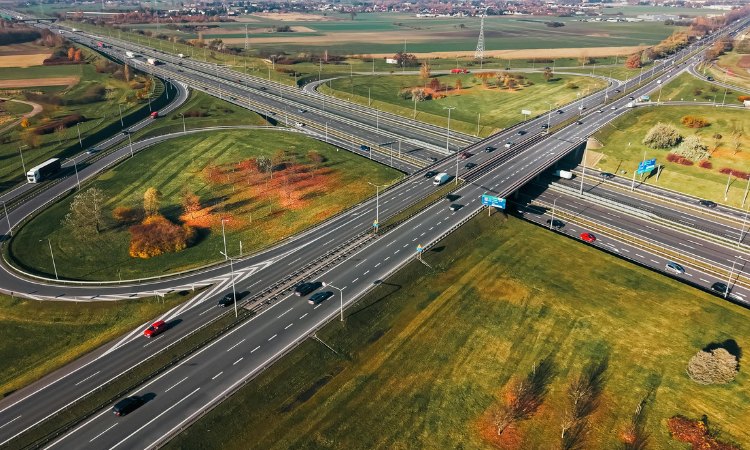
Prime Minister Narendra Modi has inaugurated the 594 km Ganga Expressway on 29th April 2026. It is one of the most important infrastructure projects in Uttar Pradesh. This expressway connects Meerut to Prayagraj and is designed to improve travel, logistics, business movement, and regional development across the state. It is a six-lane access-controlled expressway, expandable to eight lanes in the future. The project is expected to reduce the travel time between Meerut and Prayagraj from around 10–12 hours to nearly 6–7 hours, making long-distance movement faster and smoother. What is the Ganga Expressway? The Ganga Expressway is a major greenfield expressway project in Uttar Pradesh. It starts from Meerut in western UP and reaches Prayagraj in eastern UP. The corridor passes through several important districts and aims to connect western, central, and eastern Uttar Pradesh with better road infrastructure. This project passes through 12 districts of UP, and it consists of Meerut, Hapur, Bulandshahr, Amroha, Sambhal, Budaun, Shahjahanpur, Hardoi, Unnao, Rae Bareli, Pratapgarh, and Prayagraj. Key Highlights of Ganga Expressway Features Details Project Name Ganga Expressway Length 594 km Route Meerut to Prayagraj State Uttar Pradesh Lanes 6 lanes, expandable to 8 Estimated Cost Around ₹36,230 crore Travel Time Around 6–7 hours Major Benefit Faster connectivity, logistics growth, industrial development Why Ganga Expressway is Important? The Ganga Expressway is not just a road project. It is expected to become a strong economic corridor for Uttar Pradesh. Due to faster connectivity, it will help traders, transporters, industries, farmers, tourists, and real estate markets. For common people, the biggest benefit will be reduced travel time. The people traveling from western UP to Prayagraj will now get a faster and smoother route and travel in less time. For businesses, the expressway can reduce transport delays and improve supply chain movement. The project is also expected to support industrial clusters, logistics parks, EV charging stations, trauma centers, rest areas, and emergency facilities. Reports also mention a 3.5 km emergency airstrip as part of the project’s strategic infrastructure. Also, it has good connectivity to the upcoming Jewar Airport. Ganga Expressway Route: Cities and Districts Covered The expressway will improve connectivity for many developing regions of Uttar Pradesh. Important districts on the route include: Meerut, Hapur, Bulandshahr, Amroha, Sambhal, Budaun, Shahjahanpur, Hardoi, Unnao, Rae Bareli, Pratapgarh, and Prayagraj. This route is important because it links western UP’s commercial belt with central and eastern UP. Better road access can increase trade, tourism, warehousing, and real estate demand along the corridor. Real Estate Impact of Ganga Expressway This project will have a major impact on real estate around the corridor. Areas near entry and exit points may see increased demand for residential plots, townships, warehouses, commercial spaces, logistics hubs, and roadside business projects. Cities like Meerut, Hapur, Shahjahanpur, Hardoi, Rae Bareli, and Prayagraj may attract more attention from investors because expressway connectivity usually improves land value over time. However, buyers should check land title, authority approvals, zoning rules, and project legality before investing. Benefits for Homebuyers and Investors The Ganga Expressway can create better opportunities for people looking for affordable property options outside crowded city centers. Improved connectivity often encourages developers to plan new residential and commercial projects around high-growth corridors. For investors, the most promising locations may be near interchanges, industrial zones, logistics parks, and upcoming townships. Still, investment should be done with proper research, not only because of expressway hype. Economic Benefits of Ganga Expressway The expressway is expected to support Uttar Pradesh’s long-term economic development. Faster goods movement can help agriculture, manufacturing, small businesses, tourism, and logistics. Some reports also estimate large job creation and logistics savings through the project. With proposed industrial activity along the route, the expressway can help reduce regional imbalance by giving smaller towns better access to bigger markets. Read on – Delhi Dehradun Expressway
Read more
Gulshan Group Building India’s Tallest Taj Hotel Noida

Gulshan Group Is Building India’s Tallest Taj Hotel in Noida

Noida just got its most ambitious real estate project to date. Gulshan Group, which is one of the top builders in Noida, has announced a ₹1,000 crore investment to build a first-of-its-kind luxury development in Sector 129 along the Noida Expressway. The project name is Skyscape; it will be a 57-story mixed-use tower housing a 150-room Taj Hotel and 74 Taj-branded serviced apartments. Gulshan Group has partnered with Indian Hotels Company Ltd. (IHCL), a Tata Group company that runs the Taj brand, to manage the hotel and residences. The numbers are impressive. The ₹1,000 crore going in is expected to generate over ₹2,000 crore in revenue from the sale of residences alone. Construction has already started, with completion expected within five years. Taj Skyscape Overview Total Investment ₹1000 Cr Expected Revenue ₹2000 Cr Tower Height 57 Floors (India’s Tallest Taj Hotel) Hotels Room 150 (Taj-Managed Luxury Hotel) Apartment 74+1 exclusive penthouse Apartment Size 7500 sq.ft Location Sector 129, Noida Completion 5 Years Why This Project Is a First in Many Ways? Skyscape is not just another luxury project; it breaks new ground on several fronts: Who Is Behind This Project? Gulshan Group – The Developer It was founded by Gulshan Nagpal, and Gulshan Group is one of Delhi-NCR’s most active real estate developers, with more than 10 housing and commercial projects across the region. The group is well known in Noida for projects like Gulshan One29 in Sector 129, the same corridor where Skyscape is now being built. Nagpal has said the ₹1,000 crore investment is aimed at creating “an iconic development” and “one of India’s most distinctive branded serviced apartment offerings.” Gulshan Group Director Yukti Nagpal described it as the company’s statement to the industry “blending hospitality and real estate to reimagine luxury.” IHCL – The Hospitality Partner Indian Hotels Company Ltd (IHCL) is India’s largest hospitality company and the custodian of the iconic Taj brand. It was founded by Jamsetji Tata, and they opened its first hotel, The Taj Mahal Palace in Bombay in 1903. Today, IHCL manages a portfolio of 620 hotels, including 255 in the pipeline, spanning 4 continents, 14 countries, and over 250 locations. “This is the first of its kind in height and class. With branded residences, what we started as a journey in Chennai is finally coming to North India.” Puneet Chhatwal, MD & CEO, IHCL, said. What Will Skyscape Actually Look Like? The 57-story tower will have separate entrances for the hotel and the residential sections. This uniqueness ensures privacy for apartment owners while keeping hotel operations distinct. Hotel Amenities: The residential component will offer 74 Taj-branded serviced apartments, each approximately 7,500 sq ft, which makes it one of the largest branded residences in North India. There is also one exclusive penthouse, which Gulshan Group will retain and not sell, highlighting their commitment to maintaining a presence in the luxury real estate market. Why Noida? Why Now? Noida has long been seen as Delhi’s more affordable neighbour. But that image is changing fast and Skyscape is proof of it. Luxury housing supply in Noida has increased by 30% year over year in FY26. Property prices along the Noida Expressway are now projected to reach ₹10,000–₹12,000 per sq ft. This project is located in Sector 129, which is already one of the region’s top commercial corridors and home to Grade-A office towers, major retail, and strong expressway connectivity. Then there is the infrastructure story. The upcoming Jewar International Airport, metro extensions, and smart city upgrades are pushing demand for premium real estate in a belt that was once considered secondary to Gurugram or South Delhi. Today, travel from the Noida Expressway to South Delhi takes under 40 minutes. Noida Real Estate in 2026 – Key Numbers What Does Skyscape Mean for Buyers and Investors? Skyscape is expected to attract buyers across several profiles: Noida-based families looking to upgrade to ultra-luxury living, high-net-worth individuals (HNIs) seeking branded investment assets, and NRIs looking for a global-standard address in the NCR. For investors, branded residences tend to hold value better in downturns and command premium rental yields compared to unbranded luxury apartments. The Taj name adds considerable cachet. While the sale price of the apartments has not yet been publicly disclosed, ultra-luxury units in prime Noida sectors now start from ₹5 crore upwards.
Read more
Top Builders in Noida 2026

Top 10 Best Builders & Developers in Noida in 2026

If you’ve been keeping an eye on Delhi-NCR’s property market, you already know that Noida is no longer just a satellite city; it’s a destination. With world-class infrastructure, the upcoming Jewar International Airport, expanding metro connectivity, and a booming IT corridor, Noida now attracts serious homebuyers and savvy investors alike. In fact, Noida accounted for 46% of infrastructure investments by the UP government in 2024. That’s not a coincidence; it is a signal. But here’s the thing: not all builders are created equal. Some deliver on time. Some don’t. Some build with premium-grade materials. Others cut corners when no one’s watching. So, if you are planning to invest your hard-earned money in Noida real estate, choosing the top builder or developer matters more than almost anything else. In this detailed article, we will explore the top 10 builders in Noida and know their legacy, landmark projects, and what makes each one worth your trust. How We Selected the Top Builders in Noida? Before we dive in, here’s what we evaluated to shortlist these developers: List of Top 10 Builders in Noida Let’s have a quick look at the top builders or developers in Noida that are based on factors like RERA compliance, project quality, customer satisfaction, and overall market presence. S.no Builders Established Year Delivered Area 1 Godrej Properties 1990 30 mn+ sq ft 2 ACE Group 2010 16.5 mn sq ft 3 Gulshan Group 1989 7.5 lakh sq m+ 4 Gaurs Group 1995 51 mn+ sq ft 5 ATS Infrastructure Early 2000s Multi-project 6 Mahagun Group Early 2000s 15.76 mn sq ft 7 Eldeco Group 1985 30 mn+ sq ft 8 M3M India 2010 Rapidly growing 9 Max Estates 2016 Rapidly growing 10 Experion Developers 2006 9.42 mn sq ft Pro Tip: Always cross-check a builder’s RERA registration number at up-rera.in before finalising any booking in Noida or Greater Noida. Top 10 Builders & Developers in Noida 1. Godrej Properties When you say “Godrej” in any Indian city, people trust it immediately, and Noida is no exception. Godrej Properties is the top developer in Noida and India. They have won over 400 awards, including recognition for environmental efforts, gender equality, and consistently being named the Most Trusted Real Estate Brand in India. In Noida, their projects span everything from forest-themed luxury residences to modern high-rise projects. Godrej Notable Projects in Noida Projects Location Godrej Woods Sector 43, Noida Godrej Tropical Isle Sector 146, Noida Godrej Riverine Sector 44, Noida Godrej Majesty Sector 12, Noida Extension Why Choose Godrej?? Their commitment to sustainability, eco-friendly design, and innovation means you’re not just buying a home, you are investing in a lifestyle that won’t go out of style. 2. ACE Group ACE Group might be newer than some names on this list of top builders in Noida. But they have made up for time with sheer momentum. In just over a decade, they’ve delivered more residential space than many developers manage in 30 years, and they have done it without compromising on quality. Their hallmark is the ability to blend luxury living with smart urban planning. Despite challenges in the sector, ACE stood out at the Times Excellence Awards 2021, winning for excellence in real estate and innovative design. They currently have another 30 million sq ft under development, making them one of the fastest-growing developers in the NCR region. ACE Notable Projects in Noida Projects Location ACE Golfshire Sector-150, Noida ACE Parkway Sector-150, Noida ACE Divino Greater Noida West ACE Starlit Sector-152, Noida ACE Terra Sector-22, Greater Noida Why Choose ACE?? Strong delivery track record, excellent design, and a wide range of options from affordable to luxury. 3. Gulshan Group Few builders in Noida can match the legacy of Gulshan Group. They are among the top builders in Noida and established themselves as one of the most trusted names in real estate. Gulshan Group has started out building independent homes; they’ve evolved into one of the region’s most respected names in the luxury residential segment all while keeping affordability in sight. Over 35 years, they’ve delivered more than 7.5 lakh sq m of developed space and currently have 16 lakh sq m under construction. That kind of scale comes with earned trust. In 2025, Gulshan Group was honored with the GROHE Hurun India Industry Achievement Award for Excellence in Luxury Developments in Real Estate; this recognition reflects their consistent quality. Projects Location Gulshan Dynasty Sector-144, Noida Gulshan Avante Greater Noida West Gulshan One29 Sector-129, Noida Gulshan Taj Skyscape Sector-129, Noida Gulshan Botnia Sector-144, Noida Why Choose Gulshan? Their ability to blend luxury with value for money is rare in this market. For homebuyers who want premium living without overpaying, Gulshan delivers. 4. Gaurs Group Gaurs Group is the king of integrated townships in the NCR region. It was founded by Mr. B.L. Gaur, and they have built its reputation on two pillars: timely delivery and quality construction. Over 25 years, they’ve developed more than 51 million sq ft of real estate. What sets Gaurs apart is their sheer scale of integrated living. They don’t just build apartments; they build entire communities, complete with malls, schools, hotels, temples, sports complexes, and even a shuttering plant to ensure construction quality. Gaur Notable Projects in Noida Projects Location Gaur City Greater Noida West Gaur Sportswood Sector-79, Noida Gaur Grandeur Sector-119, Noida Gaur Chrysalis Yamuna Expressway Gaur The Island   Greater Noida Why Choose Gaurs?? If you want the full ecosystem — home, school, retail, recreation — in one address, Gaurs is the developer that delivers it. 5. ATS Infrastructure Ltd. “ATS Infrastructure” is a name that real estate insiders in Delhi-NCR say with quiet respect. It is known for impeccable architectural designs, superior construction quality, and a customer-first approach. ATS has built some of Noida’s most iconic residential addresses. If you’ve ever walked through an ATS project, you’ll notice the difference immediately: the finishes, the layout planning, and the landscaping. It is one of the most trusted and well-known real estate developers in...
Read more
samagra portal mp

Samagra Portal MP – eKYC, Samagra ID, Login & More

If you live in Madhya Pradesh, there is one digital platform you absolutely cannot afford to ignore, and that is the Samagra Portal. In fact, thousands of eligible families miss out on government benefits every single year because they don’t know how this portal works or why their Samagra ID matters so much. Think of the Samagra Portal (samagra.gov.in) as your family’s all-access pass to the government. One ID, dozens of schemes, zero paperwork headaches. Just like your Aadhaar card is your identity for India, your Samagra ID is your identity for Madhya Pradesh. Lose one, and you lose access to the benefits that are rightfully yours. It was launched in 2010 by the Madhya Pradesh government under the Samagra Social Security Mission (SSSM). This portal was built with one mission: to make sure that every welfare scheme reaches the people it is meant for without corruption, delays, or middlemen. In this detailed article, we will learn what the Samagra Portal is, how to register, how to get your Samagra ID, complete your eKYC, and access the government schemes that your family deserves. Whether you are a student, a senior citizen, a widow, or a daily wage worker, this guide is for you. Why Was Samagra Portal Created? Before 2010, Madhya Pradesh had a serious problem. Various government departments were running their own welfare schemes, each with their own databases, their own forms, and their own verification processes. The result? Massive duplication, corruption, and genuine beneficiaries falling through the cracks. The Madhya Pradesh government decided to fix this by creating one unified system and it is Samagra Portal. Every family in the state gets a unique Family ID, and every individual gets a Member ID. All government schemes are then linked to this single database, ensuring that the right benefit reaches the right person. What Does Samagra Stand For? Samagra is a Hindi word meaning ‘complete’ or ‘all-encompassing.’ The full name of the mission is the Mukhya Mantri Samajik Suraksha Mission (MSSM) it is also known as the Samagra Samajik Suraksha Mission (SSSM). The word perfectly captures the spirit of what this portal tries to do offer a complete solution for social security in Madhya Pradesh. Who Manages the Samagra Portal? The Samagra Portal is developed and maintained by the Madhya Pradesh State Electronics Development Corporation (MPSEDC). The portal has recently been upgraded to a new server infrastructure (SDC 2.0) to improve speed, efficiency, and service delivery for millions of residents. What is a Samagra ID? Samagra ID is a unique identification number assigned to every family and individual in Madhya Pradesh. In simple words, it works like a digital ID that helps the government keep records of citizens and provide benefits easily. Types of Samagra ID There are two types of Samagra ID: one is Family Samagra ID and the other is Member Samagra ID. 1. Family Samagra ID (8 Digits) Family Samagra ID is an 8-digit code given to the entire family unit. Think of it as your household’s digital address in the government’s records. Every family registered on the portal gets one. 2. Member Samagra ID (9 Digits) Member Samagra ID is a 9-digit code assigned to each individual member within the family. Even if you are part of the same family, every person has their own unique member ID. This is the one most commonly used when applying for individual schemes like scholarships or pensions. Quick Tip: When someone asks for your ‘Samagra ID’ without specifying, they usually mean your Member Samagra ID (9 digits). Always keep both numbers saved on your phone. What Can You Do With a Samagra ID? Your Samagra ID is not just a number on a piece of paper. It unlocks access to a wide range of government services in MP: How to Register on the Samagra Portal? If your family is not yet registered on the Samagra Portal, here is how you can do it. The process can be completed online, and it’s simpler than most people think. How to Register for Samagra ID Online? Online applications are typically processed within 2–3 working days. Offline applications submitted at your local Gram Panchayat or Ward Office may take 7–10 days. How to Register for Samagra ID Offline? If you are not comfortable using the internet, you can still register by visiting: You must have to carry all original documents along with photocopies. The staff there will register your family in the system, and you will receive your Samagra ID within a week. What Documents Are Required for Samagra ID Registration? If you want to register on the Samagra Portal MP, then you need to provide some basic documents for identity and address verification. Samagra eKYC: Why It’s Non-Negotiable in 2026 Now that you have your Samagra ID, here comes the most critical step that most people overlook: completing your eKYC (electronic Know Your Customer verification). Here’s why this matters more than ever in 2026: Without a completed eKYC, your Samagra ID is essentially inactive for most schemes. It’s like having a bank account but not verifying it. You can have the account, but you can’t withdraw any money. The MP government ran a special Samagra eKYC campaign from April 1 to May 31, 2025, across all districts. If you missed it, don’t worry; you can still complete it online anytime. What is Samagra eKYC? Samagra eKYC is the process of linking your Samagra ID with your Aadhaar card. This Aadhaar-based verification confirms that you are who you say you are. It ensures that government benefits like pensions, scholarships, ration etc. will go directly to the right person’s bank account through DBT (Direct Benefit Transfer). How to Complete Samagra eKYC Online? Here are step-by-step guide to complete Samagra Ekyc Online: The entire process takes less than 5 minutes if your mobile number is linked to your Aadhaar. If it’s not linked, visit your nearest Aadhaar enrollment center first. What are the Documents Required for Samagra eKYC? To complete eKYC on the...
Read more
top 10 biggest airports in India

Top 10 Biggest Airports in India in 2026 – India’s Largest Airports

India’s aviation sector is growing faster than ever. With rising domestic travel, international tourism, cargo movement, business trips, and new airport infrastructure, the country is now home to some of the largest and most advanced airports in Asia. If you are a traveller, investor, student, researcher, or aviation enthusiast, it is important to know which are the largest airports in India. It will give a clear picture of how India’s air connectivity is shaping the future. In 2026, the ranking of the biggest airports is not only about passenger traffic. Land area, terminal capacity, runway strength, expansion scope, cargo handling, connectivity, and future development also matter. In this detailed article, we will explore the top 10 largest airports in India by land area and by their infrastructure importance. So, let us start this blog. Top 10 Biggest Airports in India in 2026 Here is an updated list of India’s largest airports in 2026. Rank Airport Name Location Approx. Area 1 Noida International Airport Jewar, Uttar Pradesh Planned around 11,750 acres 2 Rajiv Gandhi International Airport Hyderabad, Telangana Around 5,495–5,500 acres 3 Indira Gandhi International Airport Delhi NCR Around 5,106 acres 4 Navi Mumbai International Airport Navi Mumbai, Maharashtra Around 2,866 acres 5 Manohar International Airport Mopa, Goa Around 2,132 acres 6 Chhatrapati Shivaji Maharaj International Airport Mumbai, Maharashtra Around 1,900 acres 7 Netaji Subhas Chandra Bose International Airport Kolkata, West Bengal Around 1,641 acres 8 Cochin International Airport Kochi, Kerala Around 1,300 acres 9 Chennai International Airport Chennai, Tamil Nadu Around 1,152–1,301 acres 10 Sardar Vallabhbhai Patel International Airport Ahmedabad, Gujarat Around 1,124 acres 1. Noida International Airport, Jewar Noida International Airport is the biggest airport in India by area. It is expected to expand to around 11,750 acres after full development. It is located in Jewar, Uttar Pradesh, and this is one of the most ambitious aviation projects in India. This airport is developed in different phases. Phase 1 has been developed with an initial passenger handling capacity of around 12 million passengers per annum, according to government information. Jewar Airport is strategically located near the Yamuna Expressway and is expected to serve Noida, Greater Noida, Delhi NCR, western Uttar Pradesh, and nearby industrial corridors. It will act as a major economic growth engine and a support for tourism, trade, and real estate. 2. Rajiv Gandhi International Airport, Hyderabad In terms of the current established airport, it is among the largest airports in India. It is located in Shamshabad, about 24 km from Hyderabad. This airport spans about 5,495–5,500 acres, making it one of the largest international airport in India by area. Hyderabad Airport is known for its modern planning, smooth operations, cargo facilities, and its potential for future expansion. Many old airports in India face land limitations, but Hyderabad Airport was developed as a greenfield airport with long-term growth in mind. It has strong connectivity to domestic and international destinations. It supports passenger travel, cargo operations, business aviation, and logistics. Hyderabad’s growth as an IT, pharma, education, and startup hub has also increased the importance of this airport. 3. Indira Gandhi International Airport, Delhi The 3rd name in the list of the biggest airports in India is Indira Gandhi International Airport. It is commonly known as Delhi Airport or IGI Airport. IGI is one of the most important airports in India. It spans approximately 5,106 acres at Palam, Delhi, and serves the entire National Capital Region. Delhi Airport is not only one of the biggest airports in India but also the busiest by passenger traffic. It handled around 79.25 million passengers in FY2024–25, according to available airport traffic data. The airport has multiple terminals, including Terminal 3, one of the most prominent in India. Delhi Airport’s passenger handling capacity has crossed the 100 million mark, with reports stating an annual capacity of around 109 million passengers after expansion. 4. Navi Mumbai International Airport After IGI Airport, Navi Mumbai International Airport is one of the largest airports in India. It is an important new aviation project. This airport is located in Ulwe, Navi Mumbai. It has been developed to reduce pressure on Mumbai’s existing Chhatrapati Shivaji Maharaj International Airport. This airport spans about 1,160 hectares (about 2,866 acres) and is designed to handle up to 90 million passengers per annum upon full development. This airport is important because Mumbai has long needed a second major airport. The existing Mumbai Airport is highly efficient, but land is limited. Navi Mumbai International Airport gives the Mumbai Metropolitan Region a new aviation growth corridor. 5. Manohar International Airport, Goa Manohar International Airport is also known as Mopa Airport. It is among the biggest airports in India in 2026. It is a new international airport in Goa. This airport is located in North Goa, and it was built to support the state’s rising tourism demand. It is spread across 2,132 acres and was designed to handle around 4.4 million passengers per annum in Phase 1, with future scalability up to 35 million passengers. Goa already had Dabolim Airport, but rising tourism and limited expansion space made a larger, modern airport necessary. Mopa Airport now serves as a major growth point for North Goa, Konkan tourism, hospitality, and aviation-linked businesses. 6. Chhatrapati Shivaji Maharaj International Airport, Mumbai Chhatrapati Shivaji Maharaj International Airport is the second-busiest airport in India. It spans about 1,900 acres and handled 55.12 million passengers in FY2024–25. Mumbai Airport is known for its premium Terminal 2, high passenger density, international connectivity, and strong cargo movement. This airport operates in a land-constrained urban environment yet remains one of the most efficient in India. Chhatrapati Shivaji Maharaj International Airport is among the largest airports in India and one of the most iconic in the country. It handles huge passenger volumes in a limited space, making it one of the most impressive airports in India. 7. Netaji Subhas Chandra Bose International Airport, Kolkata When we talk about the top 10 biggest airports in India, we cannot forget Netaji Subhas Chandra Bose International Airport....
Read more
delhi dehradun expressway

Delhi Dehradun Expressway – Route Map, Opening Date, Cost, Toll & More

If you have ever sat in bumper-to-bumper traffic crawling from Delhi toward the Himalayan foothills, you know the frustration. What should be a scenic drive to Dehradun often stretches to six or seven grueling hours. That era is now officially over. The Delhi Dehradun Expressway is officially known as the Delhi-Saharanpur-Dehradun Economic Corridor. It is a 210-kilometre access-controlled, six-lane highway developed by the National Highways Authority of India (NHAI) under the Bharatmala Pariyojana. It connects Akshardham Temple in Delhi directly to Dehradun, the winter capital of Uttarakhand, cutting travel time to just 2 to 2.5 hours. In this detailed blog, we will know more about the Delhi Dehradun Expressway, its Route Map, Toll, Opening Date, Cost and more. So, let us start this blog. Delhi Dehradun Expressway Quick Overview Detail Information Total Length 210 km (approximately 213 km including approach stretches) Start Point Akshardham Temple, East Delhi End Point Dehradun, Uttarakhand States Covered Delhi, Uttar Pradesh, Uttarakhand Number of Lanes 6 lanes (expandable to 8 lanes) Design Speed 100 km/h minimum Project Cost Approximately Rs. 11,868 to Rs. 13,000 crore Entry/Exit Points 16 across the full corridor Underpasses 113+ (VUP, LVUP, SVUP types) Railway Overbridges 5 Major Bridges 4 Bus Shelters 62 Service Roads 76 km running parallel to the expressway Elevated Road Sections Approximately 29 km Developed By NHAI under Bharatmala Pariyojana (EPC model) Foundation Stone February 26, 2021 by Nitin Gadkari Opening April 14, 2026 by PM Narendra Modi Also Read – Ganga Expressway Delhi Dehradun Expressway Route Map and Key Cities Covered The expressway follows a north-to-northwest trajectory through some of India’s most economically active territories before climbing into the Shivalik foothills. The starting point is Akshardham, Delhi, and the end point is ISBT Dehradun. Delhi Dehradun expressway route will pass through Loni, Baghpat, Baraut, Shamli, Saharanpur and Ganeshpur. Cities and Districts on the Main Route City / District State Akshardham (Start) Delhi Baghpat (EPE Interchange) Uttar Pradesh Baraut Uttar Pradesh Shamli Uttar Pradesh Muzaffarnagar (outskirts) Uttar Pradesh Saharanpur Uttar Pradesh Ganeshpur Uttar Pradesh / Uttarakhand border Dehradun (End) Uttarakhand Spur Expressways Spur Name Details Saharanpur–Roorkee–Haridwar Expressway 50.7 km, six-lane. Connects the main corridor to Haridwar and the Char Dham highway network (Kedarnath, Badrinath, Gangotri, Yamunotri). Ambala–Shamli Expressway 121 km, six-lane. Branches off near Shamli toward Ambala, Haryana. Further connects to the Bareilly–Gorakhpur Expressway and Siliguri–Gorakhpur corridor. Delhi Dehradun Expressway Construction Phases This expressway is built in four phases. Each phase is designed around the terrain, traffic needs, and land availability for that stretch. Phase Route Length / Lanes Key Features Phase 1 Delhi (Akshardham) to Baghpat (EPE) 32 km / 12 lanes Includes 6.4 km aerial corridor from Geeta Colony to Khajoori Khas within Delhi. First section opened to public in December 2025. Travel time Delhi to Baghpat reduced from 1 hour to 25-30 minutes. Phase 2 Baghpat (EPE) to Saharanpur Bypass 118 km / 6 lanes Longest greenfield section. Passes through western UP agricultural zone. Features 7 interchanges and approximately 60 underpasses for local traffic and livestock movement. Phase 3 Saharanpur Bypass to Ganeshpur 40 km / 6 lanes Upgrades existing road infrastructure. Acts as the transition zone between the UP plains and the Shivalik foothills before entering forested terrain. Phase 4 Ganeshpur to Dehradun 20.7 km / 6 lanes Passes through Shivalik Forest Division, Rajaji Tiger Reserve, and Dehradun Forest Division. Includes the 12 km elevated wildlife corridor, 340-metre Daat Kali Tunnel, and twin elevated sections for wildlife safety. Delhi Dehradun Expressway Key Features Infrastructure Features Feature Details Travel Time Saved Reduced from 5-6 hours to 2 to 2.5 hours between Delhi and Dehradun Design Speed Minimum 100 km/h throughout most of the corridor Traffic Management Advanced Traffic Management System (ATMS) installed across full length Tolling System Closed tolling — GPS-based, pay only for distance traveled (no toll booths) FASTag Next-Gen FASTag 3.0 with satellite-based GPS tracking Service Roads 76 km of parallel service roads for local and city traffic Elevated Sections Approximately 29 km of elevated road through urban and sensitive zones Vehicular Underpasses 113+ underpasses (VUP, LVUP, SVUP) Railway Overbridges 5 railway overbridges Bus Shelters 62 bus shelters along the corridor Daat Kali Tunnel 340 to 370-metre tunnel near Dehradun reducing road footprint through forested terrain Capacity Expected to carry 20,000 to 30,000 vehicles per day Asia’s Longest Wildlife Corridor One of the unique features of this expressway is its Asia’s longest elevated wildlife corridor. Rather than cutting through one of India’s most biodiverse forest regions, the engineers built the road over it. The result is Asia’s longest elevated wildlife corridor, 12 kilometres long, that passes over Rajaji National Park and Rajaji Tiger Reserve. It is designed to protect animals while ensuring high-speed connectivity. Wildlife Corridor Details Feature Details Corridor Length 12 km elevated section over Rajaji National Park and Rajaji Tiger Reserve Total Eco-Sensitive Stretch 20 km passing through Shivalik Forest Division, Rajaji Tiger Reserve, and Dehradun Forest Division Animal Underpasses 6 dedicated animal underpasses Animal Passes 8 animal passes for smaller mammals Elephant Underpasses 2 dedicated underpasses, each 200 metres long Animal Underpass Length 10.97 km total underpass length for wildlife movement Sound Barriers Installed along sensitive stretches in collaboration with Wildlife Institute of India (WII) Light Barriers Installed to minimise impact of artificial light on nocturnal animals Habitat Species Tigers, elephants, greater hornbills, king cobras, leopards Study Conducted Joint NHAI and WII study titled Landscapes Reconnected along 18 km stretch Species Documented 18 wildlife species recorded using underpasses including elephants, golden jackal, nilgai, sambar, spotted deer, and Indian hare Elephant Usage 60+ documented instances of elephants safely using the underpasses Comparable Project Only the second highway in India with a dedicated wildlife corridor after NH-44 Note: The project required diversion of forest land and felling of thousands of trees during construction, estimated at nearly 19,000 trees. Compensatory afforestation has been undertaken by the government, though environmental groups continue to call for stronger long-term ecological monitoring. Delhi Dehradun Expressway Opening Date and Project Timeline Prime Minister Narendra Modi officially...
Read more
Branded Residences in Gurgaon

Top Branded Residences in Gurgaon for Luxury Living & Investment

Gurgaon has become one of India’s fastest-growing luxury real estate hubs. From world-class infrastructure to premium lifestyle offerings, the city is now home to some of the top branded residences in Gurgaon. These homes are not just about space; they represent status, design excellence, and global living standards. If you’re looking for the best branded residences in Gurugram, this guide will help you understand what makes them special and why they are a smart investment choice. So let us start this blog. What Are Branded Residences? Branded residences are luxury homes designed in collaboration with globally recognized brands. These brands can come from the fashion, hospitality, or automotive industries, bringing their unique design styles and service standards into residential living. In simple words, you get: Why Branded Residences in Gurgaon Are in High Demand? The demand for branded residences in Gurgaon is rising rapidly due to several reasons: 1. M3M Elie Saab If you are searching for the finest branded residences in Gurgaon, then M3M Elie Saab is a name that simply cannot be ignored. This lavish project is nestled within the iconic Billionaire’s Block at Smart City Delhi Airport, Sector-111, Gurgaon. It is developed by M3M Group in collaboration with Elie Saab. M3M is among the top builders in Gurgaon and India. Elie Saab is a premier, high-end luxury fashion brand. What makes this one of the top branded residences in Gurugram is not just the address but the experience it offers. Spread across a visionary 250-acre Smart City township. It is just 0 km from Delhi, and residents enjoy seamless connectivity alongside unmatched privacy and serenity. This is where global design meets Indian precision, creating a residential benchmark that truly stands apart. Also, it is surrounded by iconic landmarks such as Diplomatic Enclave 2, Yahobhoomi Convention Centre, and the International Sports Complex. If you’ve been waiting for something truly different in Gurgaon’s luxury market, something that holds its value, turns heads, and feels genuinely world-class, then Elie Saab is it. Key Features 2. Whiteland Westin Residences When people talk about the best branded residences in Gurugram, Whiteland Westin Residences is a name that keeps coming up. This project is located in Sector 103, Dwarka Expressway, Gurgaon. It is developed by Whiteland Corporation and powered by the globally renowned Westin brand, part of Marriott International. This luxury project is poised to become one of the largest branded residences ever delivered in Gurugram, India. It is a 20-acre master-planned community that perfectly balances urban connectivity with natural serenity. The location of this project is top-notch; it is close to Delhi, the airport, and other major locations. Also, this project is surrounded by premium residences, including Hero Homes Palatial, Satya Levante Residences, and others. But what truly sets this apart from other branded residences in Gurgaon is the Westin philosophy, six pillars of well-being woven into everyday living. This project will offer hotel-inspired concierge services, world-class wellness amenities, a lavish clubhouse, etc. The interiors are designed for people who refuse to compromise on the quality of life. Key Features 3. Tonino Lamborghini Residences There are luxury homes, and then there are homes that carry a legend. Tonino Lamborghini Residences is redefining what it means to live in one of the best branded residences in Gurgaon. It is a new launch project which is located in Sector 71, SPR Road, Gurgaon. It is developed in a prestigious collaboration between Tonino Lamborghini, the globally iconic Italian luxury brand and Signature Global. This project offers ultra-luxury 3 and BHK apartments with world-class amenities. What makes this one of the most talked-about top branded residences in Gurugram is the sheer attention to detail. Every apartment is crafted with high-end Italian-inspired finishes, premium materials, and thoughtfully designed layouts that speak the language of elegance without saying a word. The location of this project adds to its appeal. It is located on the SPR Road and close to the Dwarla Expressway and the Delhi-Jaipur Highway. It offers quick access to Golf Course Extension Road, Sohna Road, Cyber Hub, IGI Airport, and top-tier healthcare and education facilities. For discerning homebuyers and high-value investors, Tonino Lamborghini Residences Gurgaon represents a rare convergence of global brand prestige, Italian design philosophy, and Gurgaon’s most strategic address. Key Features 4. Trump Tower Some addresses don’t just tell you where you live, they tell the world who you are. Trump Tower is one of the most iconic branded residences in Gurgaon to have ever arrived in the Indian real estate market. It is developed by Tribeca Developers in partnership with Smartworld Developers. This branded residence is located in the prestigious Sector 65, Golf Course Extension Road, Gurgaon. It is a collaboration that will bring together global brand prestige, world-class design, and local real estate excellence under one extraordinary roof. Trump Tower is inspired by Manhattan high-rises; it soars above Gurugram’s skyline with a precision-sculpted glass-and-steel façade that commands attention from every angle. What places this among the top branded homes in Gurgaon is the uncompromising commitment to quality and the trust of the Trump brand, which is active across 35+ locations globally and trusted by 100K+ patrons. Key Features Conclusion Overall, the Branded residences in Gurgaon are more than just homes; they are a lifestyle statement. The top global brands are coming to Gurgaon, indicating increasing demand for a luxury lifestyle. Top global brands like Elie Saab, Westin, Lamborghini, and Trump are entering the Gurgaon market, giving buyers access to unmatched luxury and design. This list of best branded residences consists of M3M Elie Saab, Whiteland Westin Residences, Trump Tower, and Lamborghini Residences. Every project on this list represents something rare: a truly world-class home, right here in Gurgaon. The question isn’t whether you should invest in a branded residence. The question is which one is right for you? FAQs
Read more
Top Reasons to Invest in Dwarka

Top Reasons to Invest in Dwarka, Delhi – A Smart Investor’s Complete Guide

Dwarka is no longer just a suburb of Delhi. Over the last decade, it has transformed into one of the most strategically located, well-planned, and high-potential real estate markets in the entire National Capital Region (NCR). Whether you are a first time homebuyer, property investor, or an NRI seeking safe, long-term returns, understanding why Dwarka deserves your attention in 2026 is not optional. It is essential. Delhi Development Authority (DDA) has divided Dwarka into 29 meticulously planned sectors. It offers a rare combination of well-planned infrastructure, excellent connectivity, and the growth trajectory of an emerging investment corridor. In this article, we will explore the top 10 reasons to invest in Dwarka, Delhi. This guide will cover major reasons why investing in Dwarka is one of the smartest property decisions you can make today. So, let us start this blog. Dwarka at a Glance Metric Data Price appreciation (5 years) 153%+ Average YoY price increase (2024-25) 15%+ Entry-level price per sq ft From ₹5,550 Average rental yield per annum ~9% (Source: 99acres) Number of planned sectors 29 sectors Ready-to-move projects with 4%+ YoY gain 200+ projects Projected appreciation (next 2-3 years) 20-40% (Anarock) Sources: 99acres, Anarock, MagicBricks, Knight Frank India (data as of early 2026) Top 10 Reasons to Invest in Dwarka Delhi 1. Unmatched Location Let’s start with the single most powerful driver of Dwarka’s real estate value: its location. It is situated in southwest Delhi. Dwarka is strategically located adjacent to Indira Gandhi International Airport (IGI), one of the busiest airports in India. Most key sectors in Dwarka are within just 8 to 15 minutes of the airport terminal. This is not simply a matter of convenience. Globally, properties near major international airports in cities such as Dubai, Singapore, and London consistently command a premium over comparable localities that lack this access. The same dynamic is playing out right here in Delhi NCR. Its location near the airport will increase year-round demand for property. Because Senior professionals, frequent business travellers, NRIs, and high-net-worth individuals place extraordinary value on airport proximity. 2. World-Class Metro Connectivity Dwarka is among the best-served areas in Delhi for public transport. The Delhi Metro Blue Line runs directly through the township, with active stations at Sector 21, Sector 14, Sector 13, Sector 12, and beyond, giving residents rapid, affordable access to Connaught Place, Rajiv Chowk, and the broader NCR Metro network. Looking ahead, two major transit expansions are in progress. The proposed Dwarka–Gurgaon Metro Line and the Metrolite corridor will directly link Dwarka’s residential zones to Gurgaon’s prime commercial districts, such as Cyber City, Udyog Vihar, and Golf Course Road, in under 30 minutes. Dwarka offers you a well-connected location and world-class metro connectivity. For investors, more metro lines mean higher footfall, stronger residential demand, and better, more tangible long-term returns. 3. Strong & Consistent Capital Appreciation The numbers here are hard to ignore. Over the past five years, the Dwarka corridor has recorded property price appreciation of 153% or more. In the last year alone, average prices increased by over 15% from approximately ₹9,000 per sq ft to around ₹10,500 per sq ft. More than 200 ready-to-move projects in Dwarka have consistently posted year-on-year gains of more than 4%. What sustains this trajectory? A convergence of factors: sustained demand from working professionals, limited land availability within Delhi’s planned zones, ongoing government infrastructure investment, and proximity to high-value employment hubs in Aerocity and central Delhi. Also, it is close to Diplomatic Enclave II, Global City, Omaxe Sports Complex, etc. Over the next 2-3 years, this location can appreciate by 20–40%. For long-term investors, this is the ideal combination: consistent appreciation, steady rental income, and a long runway for growth as new infrastructure projects go live. 4. DDA-Planned Township – Structure, Safety & Stability Dwarka is not an organically grown, unplanned locality. It is a meticulously designed township developed by the Delhi Development Authority (DDA). It is divided into 29 well-ordered sectors with wide arterial roads, dedicated green belts, underground electricity cabling, planned drainage systems, and zoned commercial areas. This level of civic planning is rare in Indian metros and directly protects the quality and long-term value of properties in the area. For investors, this planning advantage means reduced downside risk. There is minimal exposure to encroachments, unauthorized construction, or the chaotic development patterns that eat into property values elsewhere in Delhi. The DDA has also announced a comprehensive revamp of the Dwarka township, targeting improvements to arterial roads, public spaces, and utility infrastructure, which will further elevate residential demand and property valuations. 5. Robust Rental Market & High Yields Another major reason to invest in Dwarka, Delhi, is the rental market and high yield. In Dwarka, most people are employees. They are employed at IGI Airport, the hotel and business zone in Aerocity, corporate campuses in Gurgaon, and central government offices in Delhi. This creates a year-round, reliable rental demand that insulates landlords from the vacancy risk that affects less well-connected localities. As of 2025-26, the cost of a furnished 2 BHK unit in Dwarka is approximately ₹20,000–₹25,000 per month. On the other hand, a 3 BHK can fetch up to ₹45,000 per month in premium sectors. The area delivers an average rental yield of approximately 9% per annum, significantly higher than comparable micro-markets in South Delhi or East Delhi. Sectors 4, 6, 7, 19, and 22 are consistently among the most popular with tenants and maintain notably low vacancy rates. 6. A Pipeline of Infrastructure Projects Fuelling Future Growth One of the most reliable signals of a locality’s long-term investment potential is the quality and scale of infrastructure currently in development. On this metric, Dwarka scores exceptionally well. The Dwarka Expressway (NH 248-BB), a fully operational 29-km, 8-lane controlled-access highway connecting Dwarka to Kherki Daula in Gurugram, has already transformed commute times on this corridor. Earlier, it took up to 80 minutes; now it takes under 30. Beyond this, the NHAI has commenced trial runs for a 5.1-km tunnel directly linking the Expressway...
Read more
Signature Global Partners with Tonino Lamborghini

Signature Global Partners with Tonino Lamborghini to Build ₹4,000 Crore Luxury Residences in Gurugram

If you’ve been watching India’s luxury housing market, you already know it’s been heating up. But what Signature Global just announced takes things to a whole new level. On April 16, 2026, Gurugram-based developer Signature Global officially announced a landmark partnership with the iconic Italian lifestyle brand Tonino Lamborghini, a name synonymous with bold design, Italian craftsmanship, and unapologetic luxury. Together, they will develop the “Tonino Lamborghini Residences Gurugram“. It will be a five-tower residential complex in Sector 71, right along the Southern Peripheral Road. The numbers alone tell a story. The project has an estimated development cost of ₹2,890–2,891 crore and an anticipated Gross Development Value (GDV) of approximately ₹4,000 crore. Tonino Lamborghini Residences Overview Details Specifications Project Name Tonino Lamborghini Residences Location Sector 71, Southern Peripheral Road, Gurugram Total Area Approx.12.40 acres Number of Residences 812 units Configurations 3 BHK, 4 BHK, 4.5 BHK Towers 5 Development Cost ₹2,891 crore Gross Development Value ₹4,000 crore Announced April 16, 2026 Italy’s Lamborghini Brand, Now in Indian Real Estate Here’s something worth noting: this is Tonino Lamborghini’s first-ever entry into India’s residential real estate market. The brand was founded by Tonino Lamborghini, son of the legendary Ferruccio Lamborghini. It has built a global identity around luxury goods, hospitality, and design. Entering the Indian residential space through a project of this scale shows just how seriously global luxury brands are now taking the Indian buyer. The project will carry the Tonino Lamborghini design language throughout, from building façades to lobby interiors and clubhouse spaces. Creative Director Mrs. Angela Krieger will oversee the brand’s aesthetic vision, ensuring the Italian design DNA is woven into every visible surface. Speaking about the partnership, Tonino Lamborghini, Founder and President of Tonino Lamborghini S.p.A., said the move reflects his vision of “creating lifestyle icons defined by a bold identity, Italian design culture, and uncompromising quality.” He described India as a country that has “always fascinated” him for its history, cultural richness, and “unique spiritual energy.” What Will the Residences Actually Look Like? Think high floor-to-floor heights that let in floods of natural light. Think biophilic landscaping — gardens, greenery, and natural elements built into the architecture itself. Think Italian elegance translated into a five-tower landmark that stands apart from the sea of conventional luxury developments in Gurugram. The planned amenities are designed around what the project calls a “Total Living” experience: This isn’t just about selling square footage. The vision — at least on paper — is to create a community built around a particular lifestyle. For India’s growing class of high-net-worth individuals who’ve experienced international living, that pitch lands differently than it once did. How the Partnership Works? Under the agreement, this is a brand licensing arrangement. What does that mean in practice? Tonino Lamborghini provides the brand name, design contributions, and lifestyle expertise — covering façades, amenities, lobbies, and clubhouses. Signature Global handles everything on the ground: development, execution, and sales. The commercial terms involve a fixed licensing fee payable in installments, with additional performance-linked payments tied to the project exceeding a defined revenue threshold. This structure keeps both parties incentivised without Tonino Lamborghini needing to take on development risk. Signature Global filed all details with BSE and NSE on April 16, 2026, under Regulation 30 of SEBI’s listing obligations — making this one of the most transparent project disclosures in recent memory. Why Gurugram? Why Now? Gurugram didn’t become India’s luxury real estate capital by accident. A combination of strong infrastructure, proximity to Delhi, high-income corporate catchments, and a mature luxury ecosystem has made it the country’s number-one destination for branded residences. As the global branded residences market grows by 19% year-on-year and India ranks sixth worldwide in overall supply, Gurugram is naturally where the action is. India’s luxury residential market is forecast to reach USD 105 billion by 2030, growing at a CAGR of around 15%. The demand is being driven by a rising number of HNWIs (High-Net-Worth Individuals), greater comfort with internationally branded products, and FDI-friendly policies that allow up to 100% foreign investment in construction development without prior government approval. Signature Global, which has built its reputation primarily in the affordable and mid-income housing segment with a 13% market share in NCR and 20% in Gurugram within the ₹20–50 million price range, is now making a deliberate pivot. They are among the top developers in Gurgaon. The Tonino Lamborghini collaboration is not a one-off experiment; it’s part of a broader strategy to plant the company firmly in the premium segment. Signature Global’s Bigger Picture The company has been on an interesting journey. Its financials for FY26 show some headwinds, a 20% drop in sales bookings and a Q3 FY26 net loss of ₹453.38 million. But the balance sheet tells a more reassuring story: ₹2,770 crore in cash and cash equivalents and net debt reduced to just ₹200 crore as of March 2026. That financial cushion gives them the confidence to bet big on luxury. And they’re not stopping at Tonino Lamborghini. Signature Global has also approved a ₹1,283 crore joint venture with RMZ Group and plans to launch 16 million square feet across the mid-income and premium segments over the next two years. Analyst sentiment remains largely positive; the stock carries a “Strong Buy” consensus rating with significant upside priced into analyst targets. Pradeep Aggarwal, Founder and Chairman of Signature Global (India) Ltd., put it plainly: “We are not just building apartments; we are creating a lifestyle statement that resonates with the ambitions of the modern Indian achiever.” FAQs
Read more
Best Low Rise Apartments in Gurgaon

Best Low Rise Apartments in Gurgaon – Premium Living with Privacy & Comfort

In recent years, the low rise apartments in Gurgaon have become one of the most preferred choices for homebuyers and investors. These developments offer a rare blend of privacy, space, and community living, rarely found in high-rise towers. With limited floors, low-density layouts, and independent floor concepts, they offer a more peaceful, premium lifestyle experience. But there are various low rise projects in Gurgaon, and finding a perfect one can be difficult and time-consuming. In this article, we have selected some of the best low rise apartments in Gurgaon that stand out for their location, design, and investment potential. So, let us start this blog. 1.Signature Global Daxin Vistas If you are looking for low rise floors in Gurgaon, then Daxin Vistas is a good project. It is developed by Signature Global, one of the top builders in Gurgaon. In this project, you will get 3.5 BHK low-rise floors with luxury amenities. This project is nestled near the Aravalli Hills and offers a peaceful environment while maintaining strong connectivity to major roads such as DMIC and SPR Road. Signature Daxin Vistas offers easy access to key business hubs, schools, hospitals, and entertainment zones, making it ideal for both homebuyers and investors. It is just 15 minutes from Rajiv Chowk and 5 minutes from Golf Course Extension Road. Key Features 2. M3M Antalya Hills Another good option if you are looking for low rise apartments in Gurgaon. M3M Antalya Hills is a premium low-rise residential project in Sector 79, Gurgaon. In this project, you will get 2.5 and 3.5 BHK low-rise apartments with resort-style living. It is also nestled in the foothills of the Aravallis. You will also get private terraces and basement spaces with the unit. M3M Antalya Hills offers 100+ luxury amenities, modern architecture, and open green spaces. It creates a perfect balance between comfort, convenience, and nature. Therefore, it is among the best choices if you are exploring the best low rise projects in Gurgaon. It is strategically located near Golf Course Extension Road, NH-8, and Dwarka Expressway. ensures smooth connectivity to major business hubs, schools, hospitals, and entertainment zones. You can consider this project for investment or for your own use. Key Features 3. MRG Crown If you are searching for low-rise apartments in Gurgaon, MRG Crown is a good option. It is a premium low-rise residential project located in Sector 106, near Dwarka Expressway, Gurgaon. This project offers spacious 3 BHK independent floors in an excellent location with top-notch amenities. It combines luxury, privacy, and connectivity in one address. It is a low-density project and spread across 8.16 acres. It offers seamless connectivity to Delhi, IGI Airport, and major business hubs. MRG Crown is just a few minutes’ drive to Yashobhoomi Convention Centre, Omaxe Sports Complex, Diplomatic Enclave, etc. Premium residences, including Hero Homes Palatial, Westin Residences, and more, surround this project. If you are looking for low-rise floors in Gurgaon for investment, it is a good option due to its location and seamless connectivity. Key Features 4. JMS Majestic The Majestic is a good option if you are looking for low rise floors in Gurgaon. It is located in Sector M9, Manesar, Gurgaon. It is designed for those who seek a peaceful yet well-connected lifestyle. JMS Group develops it, and this project offers 3 BHK independent floors. JMS The Majestic is located in one of the fastest-growing corridors of New Gurgaon. It offers excellent connectivity to major expressways, including NH-48, the Dwarka Expressway, and the KMP Expressway. This low-density project focuses on open, green living, enhancing its appeal. It is surrounded by greenery and offers a calm environment. In this project, you will have modern amenities, including a clubhouse, gym, swimming pool, jogging track, and more. Key Features 5. ROF Pravasa It will be a good option if you are looking for 3BHK Low rise apartments in Gurgaon. ROF Pravasa is a premium low-rise residential project in Sector 88A, Gurgaon. It is located near Dwarka Expressway. This project offers spacious 3 BHK independent floors with modern architecture, green surroundings, and a peaceful environment. What truly sets ROF Pravasa apart is its low-density layout and focus on open spaces. This low-rise project in Gurgaon offers premium amenities such as a clubhouse, a 3-tier security system, a gym, a swimming pool & sports courts. It offers excellent connectivity to major hubs, including IGI Airport, NH-48, and Delhi. This project is also surrounded by premium high-rise residences such as Ganga Nandaka and Sobha Aranya. It is just a few minutes’ drive to schools, malls, and commercial centers. ROF Pravasa offers both convenience and strong investment potential. Key Features 6. Whiteland Blissville If you are looking for low-rise apartments in Gurgaon or SPR Road, this is a perfect option. Whiteland Blissville is a premium low-rise residential project in Sector 76, Gurgaon. It is a modern gated community offering spacious 3 BHK independent floors, with a focus on privacy, comfort, and luxury living. You can consider this project for investment because DLF Privana, Golf Hills, and Eldeco Faiway Reserve surround it. Due to the presence of ultra-luxury residences in the vicinity, this project will also appreciate well. Also, you will get ample luxury amenities, including a 30,000+ sq. ft. clubhouse, swimming pool, gym, badminton court, library & WFH spaces. Also, its location is excellent, as it is situated on the SPR Road, one of Gurgaon’s fastest-growing corridors. It is close to Golf Course Extension Road, Dwarka Expressway, and Sohna Road. Therefore, it is a good option if you are looking for low-rise apartments in Gurgaon. Key Features 7. Landmark Avana If you are looking for low rise apartments in Dwarka Expressway, Landmark Avana will be a good option. It is a premium low-rise residential development in Sector 95, Gurgaon. This is a secure, gated community spread across approximately 15 acres. It offers 3 BHK independent floors with a strong focus on wellness, privacy, and open green spaces. Landmark Avana is a low-density development. This project is surrounded by landscaped...
Read more
1 2 3 4 7

Editor's Picks

Antilia Mukesh Ambani House

Mukesh Ambani House, Antilia – Price, Address & More

Have you ever wondered what it looks like to live in a house worth Rs. 15,000 crore? Most of us live in flats or small houses. But there is one family in Mumbai that lives in a 27-floor private skyscraper. The Ambani family is the family, and their home is called Antilia. Antilia is not just a big house. It is one of the most expensive houses in India. Mukesh Ambani House Antilia has a cinema, a snow room, six floors of garages, hanging gardens, a private temple, and three rooftop helipads all inside one building. More than 600 people are working here every single day just to keep it running. You might have seen pictures of this building on social media or heard about it on the news. But very few people know the full story behind it, how it was built, what is inside Antilia, how much it really cost, and why the Ambani family took over a year to actually move in after it was ready. In this detailed article, we will tell you everything about Mukesh Ambani house, Antilia, in simple words, including its Price, address, inside details, and more. So, let us start this blog. Antilia Overview Antilia is the private home of Mukesh Ambani. It is one of the most expensive and luxurious private homes in the world. Mukesh Ambani’s House, Antilia, is located on Altamount Road, Cumballa Hill, South Mumbai, and is among the posh locations of Mumbai. This skyscraper-turned-home has become a global icon of wealth, architecture, and ambition. The building’s name comes from a mythical island called “Antillia” – a phantom island depicted on old Atlantic maps. It was designed by two American firms, Perkins & Will (Chicago) and Hirsch Bedner Associates (Los Angeles). Antilia has 27 floors and spans 4,00,000 sq ft. It has various features rarely seen in a house, such as 3 helipads, Parking space for 168+ luxury cars, a 50-seat private movie theatre, Multiple swimming pools, a Spa and wellness center, a Snow room, Hanging gardens, a Temple, a Ballroom with crystal chandeliers, 9 high-speed elevators, and more. The estimated Price of Antilia is Rs. 15,000 Crore (approx. USD 2 Billion). This mansion has more than 600 staff members for maintenance and operations. The construction of this house began in 2006 and was completed in 2010. Detail Information Official Name Antilia Owner Mukesh Ambani & Family Location Altamount Road, Cumballa Hill, South Mumbai PIN Code 400026 Estimated Price Rs. 15,000 Crore (approx. USD 2 Billion) Height 173 metres (568 feet) Total Floors 27 (with extra-high ceilings) Total Area 4,00,000 sq ft (37,000 sq metres) Plot Size 4,532 sq metres (1.12 acres) Construction Started 2006 Completed 2010 Family Moved In September 2011 Design Theme Sun, Lotus, Vastu Shastra Architect Firms Perkins & Will + Hirsch Bedner Associates Staff Count 600+ Mukesh Ambani Home Location: Where Is Antilia? The Mukesh Ambani home is located on Altamount Road in South Mumbai, also known as “Billionaire’s Row”. This is one of the most exclusive addresses in Asia, where land prices rank among the highest in the world. The Official Address of Antilia is: Antilia, Ambani Tower, Altamount Road, Cumballa Hill, South Mumbai, Maharashtra – 400026, India The building is visible from a distance and has become a popular tourist destination. However, Antilia is NOT open to the public; there are no tours, and the building is under heavy security around the clock. It is one of the famous houses in Mumbai and India, just like SRK house Mannat. Altamount Road is one of the most expensive areas in Mumbai. It is recognized for Premium high-rise towers, High property prices, and Billionaire residences. Mukesh Ambani House Antilia Price The estimated Price of Antilia is 15,000 crores (USD 2 billion). It is among the most expensive private homes in India and the world. Due to its iconic design and luxury lifestyle, Antilia has become a symbol of wealth, innovation, and premium real estate in India. The exact cost has never been officially disclosed. Based on estimates from real estate experts, media reports, and global property databases, the numbers are staggering. Inside Antilia: Floor-by-Floor Breakdown Antilia has 27 floors, but because of extra-high ceilings, it stands as tall as a 60-story conventional building. No two floors have the same design. Floors What’s There 1 – 6 Six-floor car garage — accommodates up to 168 luxury vehicles including Rolls Royce, Maybach, and Aston Martin. 7 Private car service station — a dedicated maintenance facility so cars never need an outside garage. 8 – 9 Staff operations and service areas that keep the house running smoothly. 10 – 13 Recreational floors: Snow Room (artificial snowflakes), 50-seat private cinema, spa, swimming pools, and health centre. 14 – 17 Grand Ballroom with crystal chandeliers and 49 guest suites for events and ceremonies. 18 – 20 Babylon-inspired hanging gardens and a private marble temple with Lord Ganesha’s idol. 21 – 26 Private residential floors for the Ambani family, each uniquely styled with Indian art and handcrafted decor. 27 Three rooftop helipads for air travel. Antilia Inside Tour Amenities Inside Antilia House Many people describe Antilia as a 5-star hotel that is also someone’s house. Here are the key amenities inside Mukesh Ambani House Antilia: Architecture and Design Antilia’s design is inspired by two symbols from Indian culture: the Sun and the Lotus—the exterior uses cream, beige, and brown tones. Rare materials like mother-of-pearl, marble, and precious stones are used throughout. No two floors look the same — each has its own unique theme, material palette, and layout. Vastu Shastra Antilia was designed according to Vastu Shastra, the ancient Indian science of architecture. When construction finished in 2010, the family did not move in right away due to Vastu concerns. In June 2011, nearly 50 pandits performed prayers, after which the family moved in during September 2011. Earthquake Resistance The building can withstand an earthquake of magnitude 8.0 on the Richter scale, achieved using W-shaped beams and advanced frame...
IAS and IPS officers Bhopal land deal near Western Bypass

IAS and IPS Officers Bought Bhopal Land Before the Bypass – Now It’s Worth 11 Times More

Imagine buying a piece of land for ₹82 per square foot today and watching it rise to ₹2,500 per square foot within just two years. That’s not luck. That’s not a coincidence. And that’s exactly what has put nearly 50 serving and former IAS and IPS officers of India under a very uncomfortable spotlight. A bombshell investigation by Dainik Bhaskar has revealed one of the most eyebrow-raising land deals in recent memory. It raises serious questions about the blurry line between public service and private gain. The Deal That Started It All On April 4, 2022, a group of senior government officers quietly came together to buy agricultural land, not in their own names separately, but in a single joint registry document — all 50 of them, at once. This land is about 5 acres (2.023 hectares) in a village called Guradi Ghat, located in the Kolar area on the outskirts of Bhopal. The price: ₹5.5 crore on paper. Market value at the time: around ₹7.78 crore — roughly ₹82 per square foot. In their official property disclosures (called Immovable Property Returns, or IPRs), the officers described it plainly as a joint investment by “like-minded officers.” These weren’t small-time buyers. These were IAS and IPS officers drawn from across the country, from Madhya Pradesh, Maharashtra, Telangana, Haryana, and even Delhi. Then Came the Bypass Here is where the story takes a turn that’s hard to ignore. Sixteen months after that land purchase — on August 31, 2023 — the Madhya Pradesh government approved the ₹3,200-crore Western Bypass project for Bhopal. The bypass route? It passes within just 500 meters of the very land these officers had purchased. That’s not a kilometer away. That’s a five-minute walk. When a major highway project is announced near any piece of land, prices shoot up. That’s real estate 101. But the question the public is now asking is: Did these officers know the bypass was coming before the public did? The Land Quietly Changed Its Identity The story doesn’t end with the bypass. In June 2024, just ten months after the bypass was approved, the land’s official classification was quietly changed from agricultural to residential. That one change on paper made a massive difference on the ground. The land, which was valued at ₹82 per square foot when the officers bought it, was now being valued at ₹557 per square foot after the land-use conversion. The estimated value jumped to around ₹12 crore at that stage. But wait, the real numbers are even bigger. ₹5.5 Crore to ₹65 Crore: A Return Like No Other As the bypass project moved forward and the area around Guradi Ghat began buzzing with development activity, land rates there soared. Today, local property dealers put the going rate in the area at anywhere between ₹2,500 and ₹3,000 per square foot. At those rates, the same 5-acre plot that was bought for ₹5.5 crore is now estimated to be worth between ₹55 crore and ₹65 crore. Let that sink in. An investment that has grown to more than 11 times its original value in about three years. While the average Indian worker struggles with rising costs, these officers — already among the most powerful and well-paid in the country quietly built a fortune using land right next to a government project. No Housing Society. No Allotment. Lots of Questions. Despite the land being changed to residential use, here’s something curious: no housing society has been registered yet. Under Indian law, for residential development on such land to proceed, buyers must either form a registered housing society or have individual plots officially allotted. Neither has happened. This legal limbo has only added fuel to the fire. If this were a genuine group investment in building homes, why hasn’t any formal housing structure been established? The Timeline Tells the Story Let’s look at this one more time, laid out simply: No single step here is illegal on its own. But the sequence is striking. Buying land. A bypass getting approved nearby. Land use changing. Prices exploding. All in perfect order. Why This Matters to Every Citizen? IAS and IPS officers are not just government employees. They are the backbone of India’s administrative system. They sit on committees, recommend policies, approve projects, and influence decisions that shape entire cities. When someone in that position buys land near a government project, especially before it is publicly announced, it raises a fundamental question. Whose interests are being served? Ordinary citizens in Bhopal who could have invested in that same area had no idea the bypass was coming. They didn’t sit in cabinet meetings. They didn’t read confidential files. They didn’t get to act on insider knowledge of infrastructure approvals. These officers, however, were in a position where access to such information is part of their everyday job. What Officials Say (Or Don’t Say) So far, no formal inquiry has been officially announced. No officer has been named publicly in connection with any wrongdoing. The officers themselves have not made any public statements addressing the controversy. Importantly, no official wrongdoing has been proven at this stage. It is entirely legal for a group of officers to pool money and buy land together. Property investments are not banned for government servants. But transparency rules exist for exactly this reason. IPRs — the annual property disclosures officers are required to file — are meant to flag potential conflicts of interest before they turn into scandals. The fact that this deal showed up in those disclosures suggests the system is working, at least partially. Whether anyone in power chooses to act on it is another matter entirely. This story has sparked a broader conversation about bureaucratic accountability in India. The public trust that comes with an IAS or IPS designation is enormous. With it comes the expectation that personal financial decisions won’t be influenced or appear to be influenced by insider access to government plans. The Bhopal land deal may not be the first of its kind in...
Biggest Mall in the World 2026

TOP 10 Biggest Malls in the World in 2026 – World’s Largest Shopping Centers

Think about the biggest place you have ever been. Now imagine a building so large that it has its own hotels, indoor amusement parks, ice skating rinks, aquariums, and even canals with gondola rides. That is exactly what the World’s biggest malls look like today. These are not just shopping centers. They are complete worlds under one roof. The largest shopping mall in the World spans millions of square feet and attracts tens of millions of visitors every year. In this article, we take a detailed look at the Top 10 Biggest Malls in the World in 2026. We have ranked them based on their gross leasable area (GLA) and total built-up area, covering everything you need to know, from their history to what makes each one truly special. Top 10 Biggest Malls in the World Here is a quick comparison of all 10 giant malls at a glance: Rank Mall Name Location Total Area Year Opened Stores Key Highlight 1 Iran Mall Tehran, Iran 21 million sq ft 2018 700+ World’s largest mall, cultural hub, indoor ice rink 2 South China Mall Dongguan, China 7.1 million sq ft (GLA) 2005 1,500+ Themed zones, gondola canal, Arc de Triomphe replica 3 Isfahan City Center Isfahan, Iran 7 million sq ft (GLA) 2012 750+ Indoor theme park, museum, 5-star hotel, WTC 4 SM Mall of Asia Manila, Philippines 4.2 million sq ft 2006 1,000+ Seafront mall, IMAX, skating rink, Ferris wheel 5 Golden Resources Mall Beijing, China 6 million sq ft 2004 750+ Six floors, ‘Great Mall of China’, entertainment district 6 CentralWorld Bangkok, Thailand 4.06 million sq ft 1990 500+ Giant LED facade, sky bridge, 5-star hotel, ice rink 7 Dubai Mall Dubai, UAE 12 million sq ft (total) 2008 1,200+ Burj Khalifa neighbor, 10M-liter aquarium, Dubai Fountain 8 West Edmonton Mall Edmonton, Canada 5.3 million sq ft 1981 800+ World’s largest indoor wave pool, indoor amusement park 9 IOI City Mall Sepang, Malaysia 8.8 million sq ft 2014 650+ SE Asia luxury hub, Olympic ice rink, adventure theme park 10 Mall of America Minnesota, USA 5.6 million sq ft 1992 520+ Nickelodeon Universe, indoor aquarium, largest US mall * GLA = Gross Leasable Area. Rankings may vary slightly based on source and measurement method. 1. Iran Mall, Tehran, Iran (World’s Biggest Mall) If there is one mall that has completely changed the record books, it is the Iran Mall. It is located near Chitgar Lake on the western edge of Tehran. This is not just the largest mall in Iran, it is the largest shopping mall in the world. The Iran Mall is bigger than 270 football fields combined. It took over 25,000 workers nearly four years to build the first phase alone. But this is far more than just a shopping center. In this largest mall in the world, you will find a full-scale indoor ice rink, a grand library, an exhibition center, luxury hotels, cultural halls, a traditional Persian bazaar inspired by the famous markets of Isfahan, Shiraz, and Tabriz, and even a car showroom. Phase 2 of Iran Mall was completed in 2024, adding a new exhibition center and a solar-powered canopy system designed to cut energy costs by around 22%. The World’s Biggest Mall keeps growing, with no sign of slowing down. Also Read – TOP 10 Biggest Malls in India 2. South China Mall – China The next name on the list of the world’s biggest malls is South China Mall. Did you know South China Mall has one of the most dramatic stories in retail history? When it first opened in Dongguan, China, in 2005, it was designed to be the world’s largest shopping mall. It even held that title briefly. But 99% of its stores were empty within months of opening. Local people called it the ‘Ghost Mall.’ But the South China Mall refused to give up. The mall invested in major upgrades, introduced smart technology, AI-powered visitor analytics, and augmented reality navigation zones. By 2025, occupancy has reportedly risen from 70% to 98%, a remarkable turnaround. Today, it is one of the most visited malls in China. The mall is divided into seven zones, each themed after a famous world city. You can walk through a replica of the Arc de Triomphe, take a gondola ride along a canal inspired by Venice, or stroll past Amsterdam-style windmills. There is also a roller coaster, a marine mammal park, and an IMAX-style cinema on site. The South China Mall is proof that even the biggest failures can become the biggest comeback stories. 3. Isfahan City Center – Iran Iran makes the list twice, and for good reason. The Isfahan City Center is located in one of Iran’s most historic and beautiful cities. It is a full lifestyle destination. What makes Isfahan City Center truly unique is the incredible variety of things you will find inside it. Unlike most malls that focus purely on retail, this one houses a full museum, a World Trade Center (WTC), an International Financial Center (IFC), a 5-star hotel, and a multiplex cinema with 7 screens. Also, there is a fully equipped indoor theme park complete with a roller coaster and bumper cars, a hypermarket, airline offices, a large food court, and over 750 stores spread across 8 floors. The mall has become a one-stop destination for residents and tourists from across the Middle East. Isfahan City Center is considered the largest mall in Iran after the opening of the Iran Mall, and it continues to be one of the most visited shopping destinations in the region. 4. IOI City Mall, Sepang – Malaysia If you are looking for luxury in Southeast Asia, look no further than the IOI City Mall. It is located in the Sepang District, Malaysia. This is one of the most impressive shopping destinations in the Asia-Pacific. The IOI City Mall is one of the world’s second-largest malls based on some GLA rankings. In this mall, there are various luxury international brands, high-end department...
PM Modi Latest Appeal

What Is PM Modi Latest Appeal? WFH, No Gold, No Foreign Travel – Explained Simply

Prime Minister Narendra Modi has made a big appeal to the people of India like work from home, cut down on fuel, skip foreign trips, and hold off on buying gold. These words sound familiar, don’t they? For many Indians, it brings back memories of the COVID-19 pandemic years. But this time, there is no virus. So, what is going on? Here is a simple, complete explanation. What Did PM Modi Say? PM Modi appeal this at a large public event in Hyderabad on May 10, 2026. He appeals to every Indian to make some lifestyle changes not because of a health emergency, but because of a global energy crisis. “During the Corona period, we developed many systems of work from home, online meetings and video conferences, and we even became accustomed to them. Today, the demands of the times are such that if we restart these systems, it will be in the national interest.” In simple words, Modi appeal people to: He also framed it as a matter of patriotism, saying that being a responsible citizen in tough times is as important as any sacrifice made at the border. Why Is Modi Saying This Now? The Real Reason The answer is happening thousands of kilometres away from India in West Asia (the Middle East). The Strait of Hormuz Crisis Since February 2026, a major military conflict in the Persian Gulf has disrupted one of the world’s most important oil shipping routes the Strait of Hormuz. This is a narrow sea passage between Iran and the Arabian Peninsula. Nearly 20% of the world’s oil passes through it every day. When this route was disrupted: Why Does This Matter for India? India imports about 90% of its oil needs. It does not produce enough oil on its own. So, when global oil prices go up, India has to spend much more of its foreign exchange (the money it earns from exports) just to buy the same amount of fuel. India’s fuel bill has shot up by billions of dollars, putting pressure on the country’s economy and the rupee. What is “Foreign Exchange” and Why Does It Matter? Foreign exchange is the money India uses to buy things from other countries like oil, gold, electronics, and medicines. India earns this money mainly through exports, tourism, and remittances from Indians abroad. When India spends too much on oil imports, less money is left for other important things. This can weaken the rupee and make everything more expensive like petrol, vegetables etc. Every day to day essential will become more expensive for ordinary people. That is why Modi asked people to: Will There Be a Lockdown? The Answer Is No CLEAR ANSWER: There is NO lockdown. PM Modi’s appeal is completely voluntary — no government order forces anyone to work from home, stop buying gold, or cancel travel plans. When Modi’s speech went viral, many people started asking — Is a lockdown coming? Are we going back to 2020? Searches for “2026 lockdown” and “WFH returning” began trending on social media within hours. The Government of India has also clarified that fuel supplies remain stable across the country. There are no shortages of petrol, diesel, or LPG at present. What Has the Government Already Done? The government has not just asked citizens to act, it has already taken several steps to deal with the oil crisis: India’s refineries have continued to function at strong capacity despite the global disruption. What the Opposition Said? Not everyone welcomed Modi’s appeal. Congress leader Rahul Gandhi called the government’s suggestions proof of failure, saying Modi was shifting “responsibility onto the people” instead of planning ahead. Other opposition leaders also questioned whether the government was quietly signalling deeper economic stress. The BJP and government supporters defended the appeal as a practical, patriotic call to reduce fuel consumption during a genuinely difficult global situation. How Does This Affect You? What Modi Asked How It Affects You Work From Home Saves fuel costs for commuters; less traffic; more flexibility Use Public Transport / Carpool Reduces personal fuel spending Skip Foreign Trips for a Year Holiday plans may need to change Don’t Buy Gold for a Year Could affect wedding planning for families Use Electric Vehicles Long-term savings, but upfront cost is high Is India Headed for More Trouble? Experts have warned that if the conflict in West Asia continues and the Strait of Hormuz remains disrupted, India may eventually have to pass some of the rising oil cost to consumers — meaning petrol and cooking gas prices could go up. The current stability, experts say, is the result of expensive government measures that cannot last forever. The coming weeks and months will be critical. Also Read – Delhi Gets 97km of New Metro Lines
Delhi Metro Phase 5B expansion map showing 7 new corridors and 65 stations

Delhi Gets 97 km of New Metro Lines – 7 New Corridors Under Mega Rs 48,204 Cr Plan

If you live in Najafgarh, Narela, Rohini Sector 34, or the crowded lanes of Mayur Vihar Phase III, there is genuinely good news for you. Delhi Chief Minister Rekha Gupta has announced a massive expansion of the Delhi Metro network. It will include 97 kilometres of brand-new metro lines, 65 new stations, and 7 entirely new corridors, all under Metro Phase V(B). The announcement was made on May 4, 2026, at the Delhi Metro Rail Corporation’s (DMRC) 32nd Foundation Day celebrations. The total estimated cost is Rs 48,204.56 crore, making it one of the most ambitious metro expansions India has seen in a single phase. Why Does This Matter? This expansion was much needed and will provide better connectivity. Delhi’s metro has always been a lifeline, but for millions living on the city’s edges, it has also been a distant promise. In Outer Delhi, there are dense residential colonies, growing markets, and overloaded buses, but now this expansion will fix this issue. Phase V(B) is clearly aimed at fixing that gap. The Detailed Project Report (DPR) for all 7 corridors has been prepared by DMRC and submitted to the central government for approval. Four corridors have been marked as priority projects, with a target to complete them by 2029. The remaining three are non-priority corridors expected to follow later. Also Read – TOP 10 Posh Areas in Delhi All 7 Corridors – Full Details Corridor 1: Dhansa Bus Stand (Najafgarh) to Nangloi 11.859 km | 9 stations | Fully elevated | Interchange: Green Line at Nangloi, Grey Line at Dhansa Corridor 2: Central Secretariat to Kishangarh 15.969 km | 10 stations | Mostly underground (13.7 km) | 9 underground + 1 elevated station Corridor 3: Samaypur Badli to Narela DDA Sports Complex (Line-2 Extension) 12.89 km | 8 stations | Fully elevated Corridor 4: Kirti Nagar to Palam (Line-5 Extension) 9.967 km | Connects south-west Delhi Corridor 5: Jor Bagh to Mithapur 16.991 km | Covers Lodhi Colony, Lajpat Nagar, Jasola, Jaitpur, Mithapur | Interchange: Yellow, Violet, Pink, Magenta, Golden lines Corridor 6: Shastri Park to Mayur Vihar Phase III 13.197 km | 8.99 km underground | Covers Geeta Colony, Gandhi Nagar, Patparganj, Kondli | Interchange: Red, Blue, Pink lines Corridor 7: Keshavpuram to Rohini Sector 34 16.285 km | 12 stations | Fully elevated | Covers DTU, West Shalimar Bagh, Pitampura, Rohini | Interchange: Red, Pink lines What Changes for Commuters? Each corridor targets a specific pain point. Corridor 1 finally gives Najafgarh its first metro connection. Corridor 3 pushes the network all the way to Narela, one of Delhi’s most underserved northern zones. Corridor 7 will provide connectivity to lakhs of residents in the Rohini-Pitampura belt, who currently face long, congested road journeys. The Jor Bagh to Mithapur stretch of Corridor 5 is arguably the most interconnected, stitching together five metro lines along the way. Corridor 6 will transform daily life for East Delhi residents in Geeta Colony, Gandhi Nagar Market, and Mayur Vihar Phase III, giving them direct underground access to the Red and Blue lines. What Happens Next? CM Rekha Gupta has directed DMRC to prepare separate revised DPRs for priority and non-priority corridors. Once the central government gives its approval, construction on the priority corridors is expected to begin. If the 2029 target is met, Delhi commuters could be riding on at least part of this new network within three years. It is also worth noting that Phase V(A), covering three smaller extensions including the Central Vista corridor and Aerocity to IGI Terminal 1, was already approved by the Union Cabinet in December 2025. Phase V(B) builds on that momentum and lays out a much larger vision for Delhi’s transport future. Delhi is one of the largest metro networks in the world, with an annual ridership of 235.8 crore, and this expansion signals that Delhi’s growth story is far from over. The metro is simply catching up with the city. Also Read – Sector 24 Rohini
You have been successfully Subscribed! Ops! Something went wrong, please try again.

About Us

Brokersaathi, where we redefine the real estate landscape. Established in 2023, we are more than just a company, we are your trusted partner in navigating the dynamic world of real estate. Our commitment goes beyond transactions. We are here to empower you with a suite of services that elevate your real estate experience.
©2026 BS Brokersaathi. All rights reserved

©2024- All Right Reserved. Designed and Developed by  Blaze Themes